Galaxy S26: Snapdragon or Exynos? Here's Why You Should Stop Caring (Seriously)
Ah, it's that time of year again. Samsung is gearing up to launch a new Galaxy S series, and right on cue, the internet is ablaze with heated debates about which processor it'll use. Snapdragon or Exynos? Will Samsung split by region again? Is this a betrayal of consumers or just smart business? And honestly? I think it's time we all took a collective breath and admitted something: this debate doesn't matter nearly as much as we think it does. I know, I know. That's tech heresy. But hear me out.
The Latest Drama: Exynos Is (Probably) Back
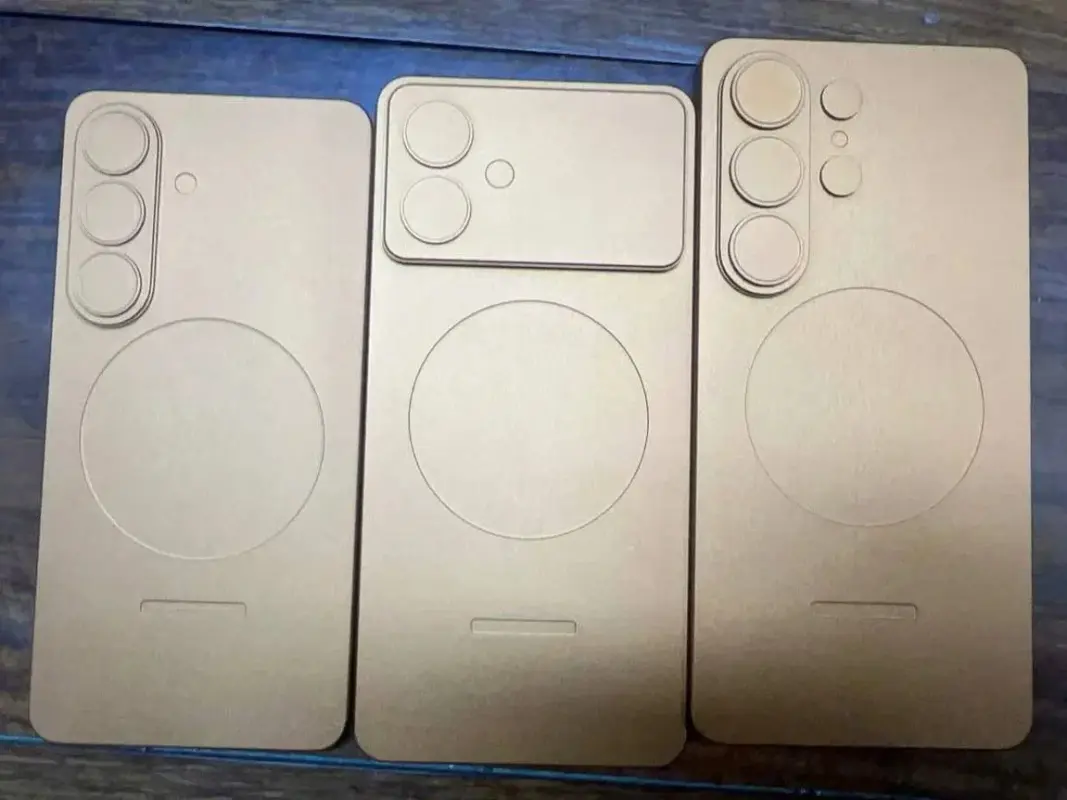
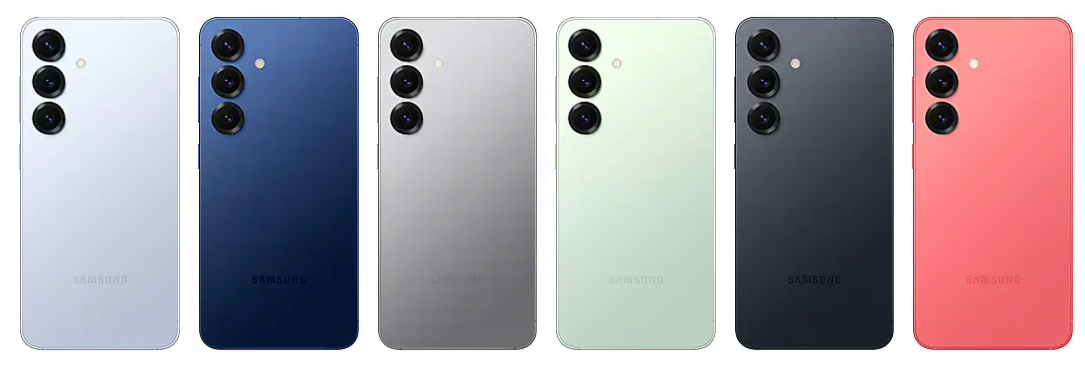
According to multiple reports, including evidence found by SamMobile, Samsung is reverting to its old playbook for the Galaxy S26 series. Here's what we're looking at:
Galaxy S26 Pro (the base model):tt globally, *maybe* Snapdragon 8 Elite Gen 5 in the US and China
Galaxy S26 Plus (which was canceled, then uncanceled because the S25 Edge didn't sell well): Probably the same split as the Pro model
Galaxy S26 Edge: Likely Snapdragon everywhere
Galaxy S26 Ultra: Snapdragon everywhere (as tradition dictates)
So if you're in Europe, most of Asia, or basically anywhere that isn't the US or China, you're probably getting an Exynos-powered Galaxy S26 Pro or Plus. And based on the comments sections across the internet, people are... not thrilled.
But here's the thing: they probably should be.
Wait, Did I Just Say Exynos Might Be Good?
Yeah, I did. And I meant it.
Look, Exynos has had a rough history. For years, it's been the processor you got when you didn't live in the "right" region. The one that ran hotter, drained the battery faster, and performed worse in benchmarks. There's a reason people complained.
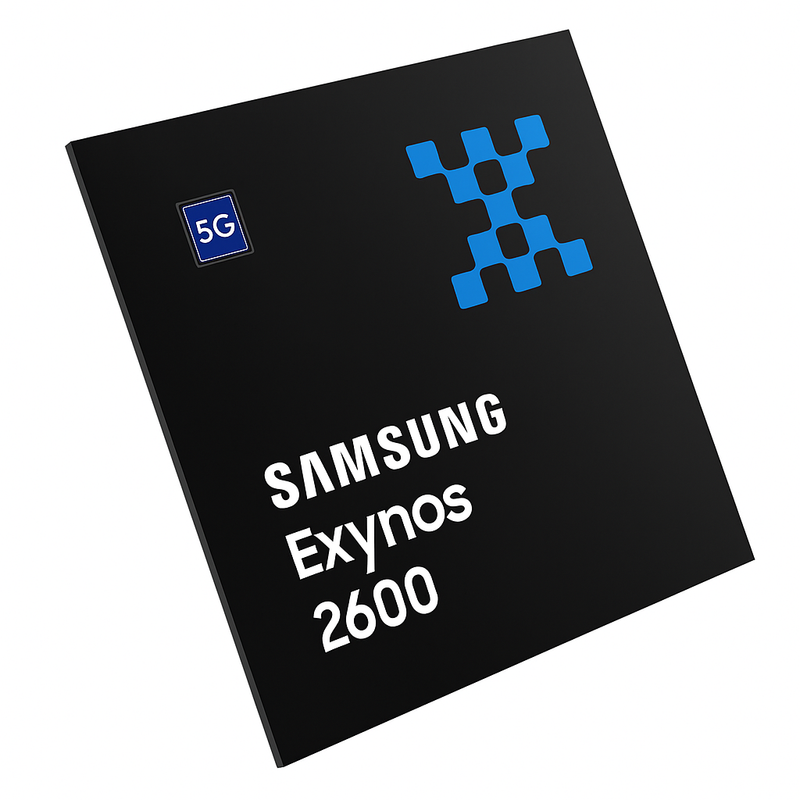
But the Exynos 2600 is different. Or at least, it appears to be.
Here's what makes it interesting:
It's built on a 2nm process. That's right, 2 nanometers. The Snapdragon 8 Elite Gen 5? Still on 3nm. Samsung's foundry is actually ahead of the curve here, which is wild considering their recent struggles.
Leaked benchmarks show it beating the current Snapdragon 8 Elite. You know, the chip currently powering the excellent Galaxy S25 Ultra? The one that's already overkill for basically everything you'd do on a phone? The Exynos 2600 is apparently faster.
It uses ARM's new Cortex-X1 series cores. Ten cores total, with the new Xclipse 950 GPU based on AMD's RDNA architecture. On paper, this thing is a beast.
Samsung added a heat blocker directly on the chip. One of Exynos's historical problems has been thermal management. If Samsung has actually solved this, it could be a game-changer.
Now, will all of this translate to real-world performance that justifies the hype? We'll have to wait and see. But the early signs are actually... promising?
The Uncomfortable Truth About Modern Processors
Here's what nobody wants to admit: smartphone processors have been "good enough" for years now.
Think about it. Grab a Galaxy S23 from 2023. Or an iPhone 14. Or heck, even a flagship from 2021. They still run perfectly fine, don't they? Apps open instantly. Games play smoothly. Multitasking is seamless.
We've reached a point where the difference between flagship processors is mostly academic. Yes, one scores higher in benchmarks. Yes, one technically has better sustained performance under extreme loads. But for 99% of users doing 99% of tasks, you will not notice the difference.
Seriously. You won't.
Unless you're:
- Running synthetic benchmarks for fun
- Playing the most demanding mobile games at max settings for hours
- Rendering 4K video on your phone (which, why?)
- Doing very specific AI processing tasks
...you're not going to see a meaningful difference between the Exynos 2600 and the Snapdragon 8 Elite Gen 5.
Both will scroll through Instagram flawlessly. Both will take amazing photos. Both will handle whatever you throw at them without breaking a sweat.
"But I'm Paying Flagship Prices! I Deserve the Best!"
I get it. This is the argument I see everywhere, and it's not without merit.
If you're paying $1,000+ for a phone, you want to know you're getting the absolute best hardware available, right? Why should someone in New York get a "better" processor than someone in London paying the same price?
It's a fair point. But here's the counter-argument:
You're not actually getting worse performance. You're getting a different processor that performs essentially identically in real-world use. The Snapdragon might score 5-10% higher in benchmarks, but can you feel that difference when using your phone? Almost certainly not.
It's like arguing about whether a car that does 0-60 in 3.1 seconds is meaningfully better than one that does it in 3.3 seconds. Technically yes, practically no.
The Annual Processor Panic
Every single year, we go through this same cycle:
1. Rumors emerge about which processor Samsung will use
2. People get worried/angry about potential Exynos usage
3. Samsung announces the phones
4. Reviews come out showing minimal real-world difference
5. People buy the phones anyway and are perfectly happy with them
6. Repeat next year
At some point, we have to ask ourselves: are we getting worked up over something that actually matters, or are we just caught up in the drama of it all?
Why Samsung Keeps Doing This
Let's be real about why Samsung keeps flip-flopping between all-Snapdragon and regional splits:
Money. Using their own Exynos chips saves Samsung a ton of money. They don't have to pay Qualcomm's licensing fees, and they keep the chip manufacturing in-house. This is pure business sense.
Manufacturing challenges. Remember the Exynos 2500 that was supposed to be in the Galaxy S25? Production yields were so bad that Samsung had to scrap it and go all-Snapdragon instead. Sometimes the decision isn't strategic; it's just pragmatic.
Foundry competitiveness. Samsung's foundry business needs flagship products to showcase their capabilities. Using Exynos in Galaxy phones helps them prove they can compete with TSMC.
Supply chain resilience. Depending entirely on Qualcomm (and by extension, TSMC for manufacturing) is risky. Having their own chips gives Samsung options.
None of this is about trying to give certain regions inferior products. It's about Samsung trying to run a profitable business while navigating complex supply chain and manufacturing realities.
The Apple Silicon Dream
Here's where I actually agree with the pro-Exynos crowd: Samsung going all-in on Exynos could be amazing.
Look at what Apple did with their M-series chips. When they controlled both the hardware and software completely, the synergy was incredible. MacBooks went from "pretty good" to "holy crap these are incredible" almost overnight.
Samsung is one of the few companies positioned to do something similar. They make their own chips, they control the Android experience on Galaxy phones, and they have the resources to make it all work together beautifully.
But that only happens if they commit. Half-measures won't cut it. The Exynos chips need to be consistently excellent, not just "pretty good most of the time."
The Exynos 2600 might actually be Samsung's "Apple Silicon moment" — the chip where they finally prove they can match or exceed Qualcomm. If they pull it off, the next few years of Samsung phones could be really special.
But they have to stick with it long enough to get there.
The Practical Reality
Let's talk about what actually matters when you're using your phone day-to-day:
Battery life: This is where processors can make a real difference, and it's where Exynos has historically struggled. If the 2nm process and heat management improvements translate to better battery life, the Exynos 2600 could actually be *better* than the Snapdragon in the metric that matters most.
Thermal performance: Nobody wants a phone that turns into a hand warmer. This is another area where Exynos has had issues. Samsung's heat blocker solution needs to actually work in real-world use, not just in controlled testing.
Camera processing: Samsung does a lot of computational photography. Both chips will handle it fine, but any differences here would be more noticeable than raw CPU performance.
Software optimization: This is honestly more important than the chip itself. A well-optimized phone with a slightly slower processor will feel better than a poorly optimized phone with the fastest chip.
These are the things to watch for in reviews, not synthetic benchmark scores.
What About Gaming?
Okay, this is the one area where the processor choice might actually matter to a subset of users.
If you're someone who plays Genshin Impact or other demanding mobile games at max settings, you might notice differences in sustained performance and frame rates. The GPU matters here, and historically, Adreno (in Snapdragon chips) has had an edge over Samsung's Xclipse GPUs.
But here's the thing: the Exynos 2600's Xclipse 950 GPU is based on newer AMD RDNA architecture. It might actually close that gap or even surpass Snapdragon this time.
We won't know until reviewers put it through its paces with sustained gaming tests. But even if Snapdragon still has a slight edge, we're talking about the difference between 118 fps and 120 fps — technically measurable, practically irrelevant.
The Real Problem: Consistency
You know what actually bugs me about Samsung's processor strategy? It's not that they use Exynos. It's the inconsistency.
Every year, we have to wonder: Which processor will it be this time? Will they split by region? Which regions get which chip? Is the naming convention changing?
Compare that to Apple: every year, you know exactly what you're getting. The latest iPhone has the latest A-series chip. Done. Simple.
Or Google: Tensor in every Pixel. Love it or hate it, at least you know what you're buying.
Samsung's constant flip-flopping creates uncertainty and confusion. It makes it harder for consumers to make informed decisions, and it feeds into the perception that some regions are getting "lesser" products, even when that's not really true.
If Samsung committed to "Exynos everywhere" or "Snapdragon everywhere" and stuck with it for more than one generation, a lot of this drama would disappear.
Should You Actually Care?
Let me break this down based on what kind of user you are:
Tech enthusiast who follows benchmarks: Yeah, you'll probably care, and that's fine. You know what you're getting into.
Mobile gamer who plays demanding games: Keep an eye on gaming-specific reviews when the phones launch. This might actually matter to you.
Average user who wants a great phone: Don't care. Seriously. Either processor will be more than powerful enough for everything you do.
Person who keeps phones for 3+ years: Focus on battery capacity, software update promises, and build quality. The processor is already overpowered for your needs.
Someone on a budget: You're probably not buying a $1,000+ flagship anyway, so this whole debate is academic.
For the vast majority of people, the Snapdragon vs. Exynos debate is a distraction from things that actually matter, like camera quality, battery life, software features, and whether you like the design.
My Honest Take
I think the internet's annual freakout about Exynos is mostly overblown, especially this year.
Don't get me wrong — Samsung has earned some skepticism with Exynos's spotty track record. The Exynos 2200 was a disaster. The Exynos 2400 was... fine, but not great. They haven't given us much reason to trust them.
But the Exynos 2600 genuinely seems different. The 2nm process is a real advantage. The benchmarks look promising. The architectural improvements address previous weaknesses.
Could it still disappoint? Absolutely. Samsung's foundry has had quality control issues, and we won't know how the chip performs in real-world sustained use until reviewers get their hands on it.
But writing it off before we even see final products is premature.
And more importantly, for most people reading this, **it genuinely won't matter which chip is in your phone**. Both options will provide an excellent experience that's indistinguishable in daily use.
If you're hesitating on buying a Galaxy S26 Pro because you're worried about Exynos, I'd say: wait for reviews, but don't let the processor choice alone scare you off. Judge the phone as a complete package based on real-world testing, not leaked benchmark numbers.
The Bottom Line
The Samsung Galaxy S26 series will probably split processors by region. Some models will have Exynos 2600, others will have Snapdragon 8 Elite Gen 5.
And you know what? That's okay.
Both will be phenomenal processors that are overkill for almost any task you throw at them. Both will take amazing photos, run all your apps flawlessly, and provide a premium flagship experience.
The choice between them matters far less than whether you like Samsung's software, whether the cameras meet your needs, whether the battery lasts all day, and whether the design appeals to you.
So maybe, just maybe, we can all collectively agree to care a little less about which processor is in our phones and a little more about whether the phones actually make our lives better.
Or we can continue this same debate next year with the Galaxy S27. That's fine too. At least it gives us something to argue about online.