iPhone 2025/2026 Buyer's Guide: Which Model Should You Actually Buy?
Let's be honest – choosing an iPhone used to be pretty straightforward. You picked between big or small, regular or Pro, and called it a day. But 2025 has thrown us all a curveball. With Apple's latest lineup shuffle and some genuinely interesting new options, deciding which iPhone to buy has become more nuanced than in previous years. I've spent the days since Apple's September launch fielding calls and messages from friends, family, and people I haven't heard from in ages, all asking the same question: "Which iPhone should I get?" It's become my unofficial second job as the friendly neighborhood tech support. And you know what? This year, I don't mind the questions because honestly, there are real decisions to be made.
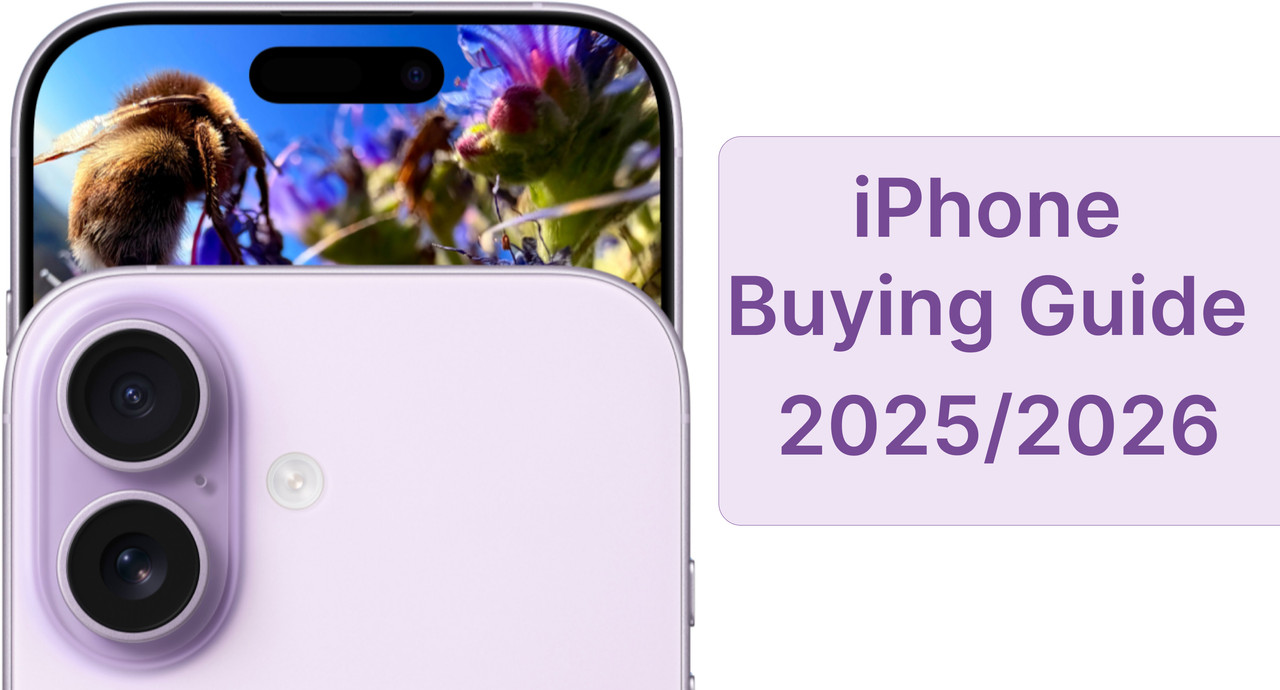
Apple now offers multiple iPhone models at various price points, and each one seems designed for a very specific type of person. Whether you're upgrading from an old iPhone or switching from Android, this guide will help you figure out which model actually makes sense for you and your wallet.
First Things First: Should You Even Upgrade?
Before we dive into which iPhone to buy, let's talk about whether you should upgrade at all. Unless you're one of those people who absolutely must have the latest tech to show off at dinner parties, here's my advice: don't upgrade every single year.
The sweet spot for iPhone upgrades is every three to four years. Your iPhone will still get software updates, it'll still work perfectly fine, and you'll actually notice a meaningful difference when you do upgrade. Two years is acceptable if your battery health has dropped below 80%, but yearly upgrades? That's just burning money unless you're a tech professional who genuinely needs the latest features.
Understanding the 2025 Lineup
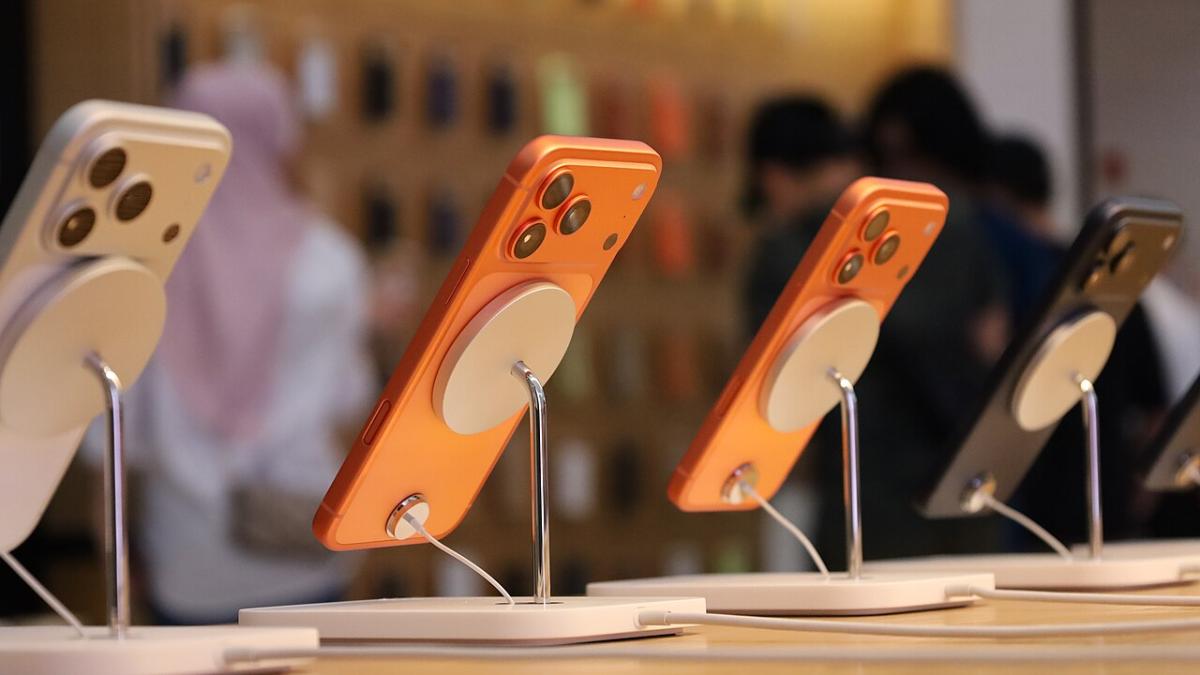
This year's iPhone family has some interesting additions. Apple launched four brand-new models in September 2025, while discontinuing several older models from their official lineup:
New Models (2025):
- iPhone 17 (starting at $799)
- iPhone Air (starting at $899)
- iPhone 17 Pro (starting at $1,099)
- iPhone 17 Pro Max (starting at $1,199)
Budget Model Still Available:
- iPhone 16e (Apple's entry-level option, available starting around $599)
The biggest addition is the completely new iPhone Air – Apple's thinnest iPhone ever, which effectively replaces the "Plus" sized option in Apple's lineup, though with a very different design philosophy. Meanwhile, Apple has significantly upgraded the standard iPhone 17, narrowing the gap with Pro versions. Let's break down each one.
iPhone 17: The One Most People Should Buy
Starting at $799
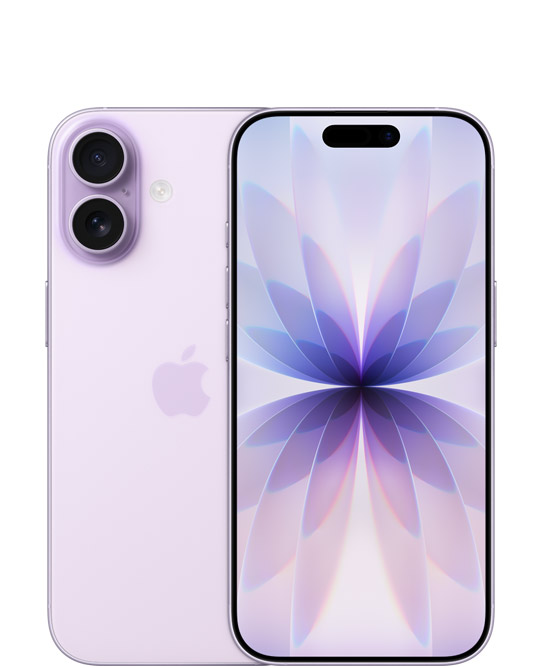
Let me cut straight to it – the iPhone 17 is going to be the right choice for most people reading this. It's not the flashiest option, and it's not the cheapest, but it hits a sweet spot that makes it the most sensible purchase for mainstream users.
This year, Apple has genuinely upgraded the standard iPhone 17 significantly. Here's what makes it special:
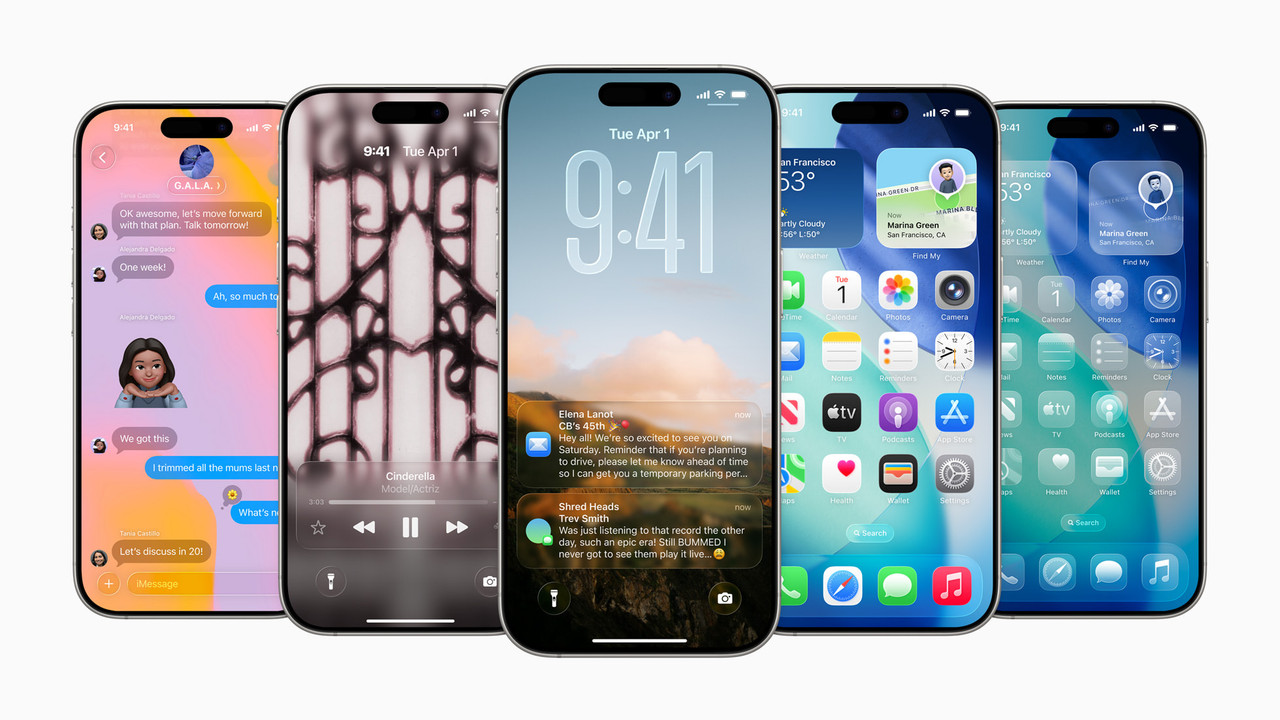
The display is now Pro-level. The iPhone 17 features a 6.3-inch display with ProMotion technology supporting refresh rates up to 120Hz. This was previously exclusive to Pro models, and it's a game-changer. Scrolling feels buttery smooth, animations are more responsive, and you get the Always-On display showing your Lock Screen even when the phone is sleeping. This alone makes the iPhone 17 feel considerably more premium than previous standard models.
Performance is excellent. The iPhone 17 has Apple's A19 chip with 8GB of RAM, which handles everything smoothly and supports all Apple Intelligence features. For everyday tasks, social media, gaming, and even demanding apps, you won't notice any performance issues. Yes, the Pro models have the A19 Pro chip, but for 95% of users, the difference is imperceptible in real-world use.
Battery life claims look strong. Apple advertises all-day battery life for the iPhone 17, though as with all battery claims, your actual experience will vary based on usage patterns. Independent real-world testing is still ongoing, but early user reports suggest solid performance that should get most people through a full day comfortably.
The camera system is more than adequate for most people. You get a dual-camera setup with high-resolution sensors for both the main and ultra-wide cameras. There's no dedicated telephoto lens like on Pro models, but the iPhone 17 can crop from the main sensor to provide a 2× zoom that's quite usable. For everyday photography – social media posts, family photos, vacation shots – the iPhone 17's cameras will serve you well.
The iPhone 17 includes the Action button (introduced on Pro models in recent years) for customizable quick shortcuts. It charges via USB-C and supports MagSafe wireless charging. Available colors include White, Black, Mist Blue, Sage, and Lavender.
Storage options:
- 256GB: $799 (starting configuration)
- 512GB: Higher capacity available at additional cost
The bottom line: The iPhone 17 offers exceptional value. With ProMotion, the Action button, strong cameras, and the A19 chip, you're getting nearly everything that makes the Pro models special, but for $300 less than the Pro and $100 less than the Air. Unless you have very specific professional needs or want the statement design of the Air, the iPhone 17 is the smart buy.
iPhone Air: The Ultra-Slim Statement
Starting at $899
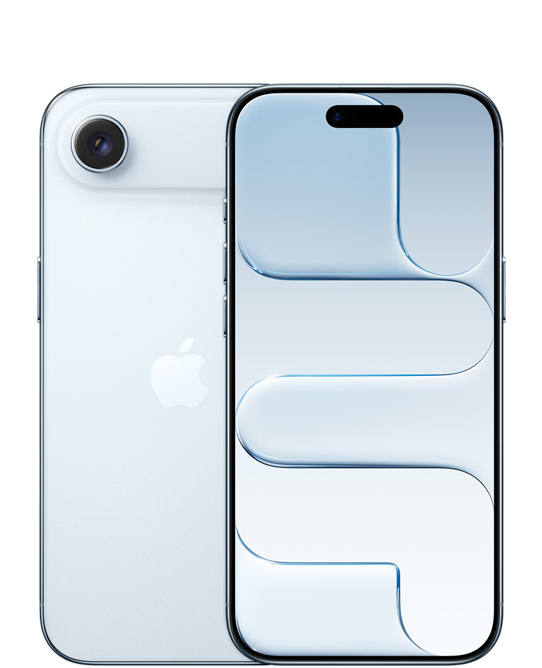
The iPhone Air is this year's most distinctive new addition – Apple's thinnest and lightest iPhone ever. At just around 5.6mm thick and weighing approximately 165 grams, it's noticeably slimmer than other models. The moment you pick it up, you feel the difference.
The Air features a premium titanium frame (unlike the aluminum used on the iPhone 17), which not only feels luxurious but also provides the structural integrity needed for such a thin device. It has a 6.5-inch display with ProMotion up to 120Hz, and it uses Apple's A19 Pro chip – making it technically more powerful than the standard iPhone 17 in processing terms.
But here's where things get interesting – and complicated.
Apple calls the Air's camera system "Dual Fusion," which suggests some computational photography magic happening. However, physically, there's only one visible rear camera lens. This means you're losing the versatility of dedicated ultra-wide and telephoto lenses. Apple may be using sensor cropping and computational photography to simulate some multi-camera functionality, but the creative flexibility simply isn't the same as having separate physical lenses.
For landscape shots, group photos, or situations where you'd normally reach for an ultra-wide lens, you'll feel the limitation. There's no dedicated telephoto either, so optical zoom capabilities are restricted.
The other trade-offs are meaningful:
Battery: The ultra-thin design necessitates a smaller battery. While Apple's optimization helps, the Air will have shorter battery life than the iPhone 17 and especially the Pro models. Depending on your usage intensity, you may need to charge during the day. Apple even offers a dedicated MagSafe battery pack accessory, which tells you something about real-world endurance concerns.
Connectivity: The Air uses Apple's custom C1 modem, which handles standard 5G well but doesn't support the fastest mmWave 5G bands available in some markets. For most users, this won't matter, but if you're in an area with mmWave deployment and want maximum speeds, it's a limitation.
Other considerations: The Air is eSIM-only in many markets (no physical SIM slot), has modified speaker configuration compared to other models, and maxes out at 20W wireless charging versus 25W on other iPhones.
So who should buy the iPhone Air?
The Air is for people who prioritize design, portability, and the experience of holding a premium device above photographic versatility and maximum battery life. If you're not a heavy photographer, if you typically charge your phone daily anyway, and if the idea of carrying the thinnest iPhone ever appeals to you, the Air is compelling.
It's genuinely a statement piece – the kind of phone people will notice and comment on. For some buyers, that experiential quality is worth the trade-offs. For others, it's not.
Think carefully about your actual usage patterns. Do you frequently use ultra-wide for landscapes? Do you shoot a lot of photos in varied situations? Do you need all-day battery life without thinking about charging? If yes to any of these, the iPhone 17 is the better choice despite being $100 cheaper. But if design and feel matter most, the Air is exceptional at what it does.
Storage options:
- 256GB: $899 (base model)
- 512GB and 1TB: Available at higher price points

iPhone 17 Pro: For Professionals and Enthusiasts
Starting at $1,099
Let's talk about what "Pro" actually means this year, because the iPhone 17 Pro genuinely targets professional users and serious enthusiasts rather than just anyone who wants "the best."
The iPhone 17 Pro and Pro Max are virtually identical except for size – the Pro has a 6.3-inch display while the Pro Max has a larger 6.9-inch screen. Both feature advanced materials and thermal management designed for sustained high-performance use.
Here's what separates the Pro from the standard iPhone 17:
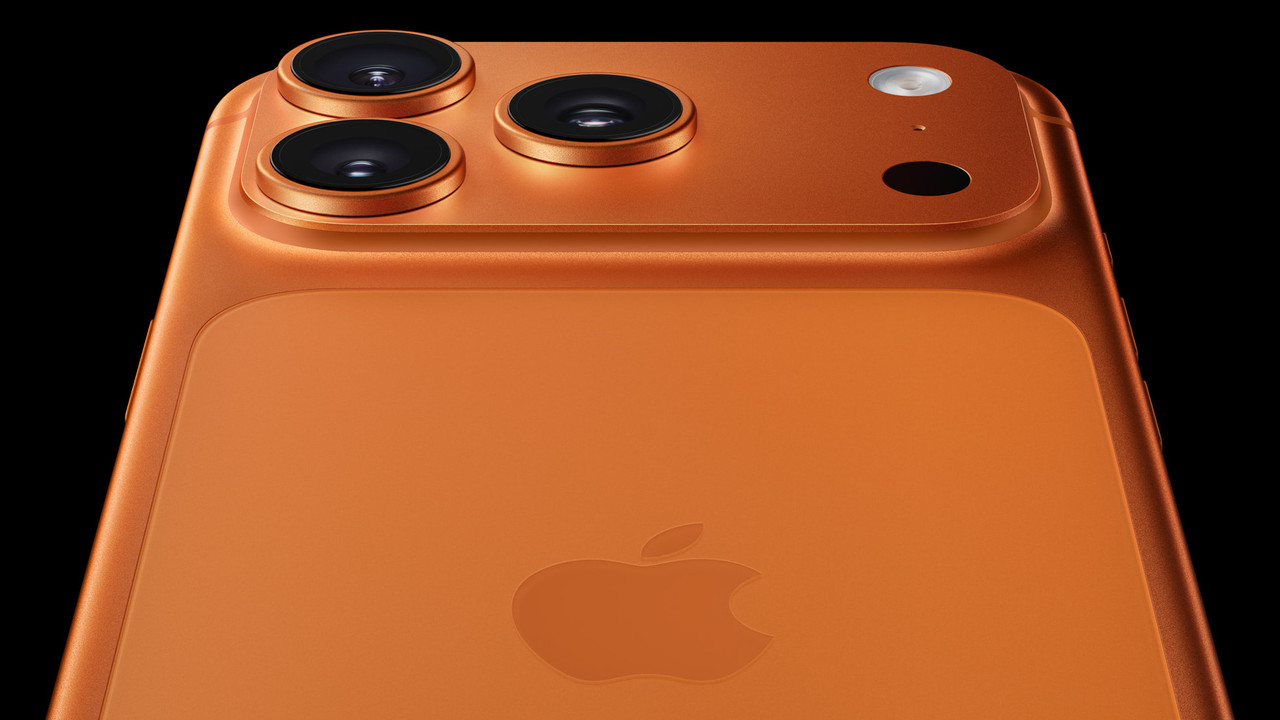
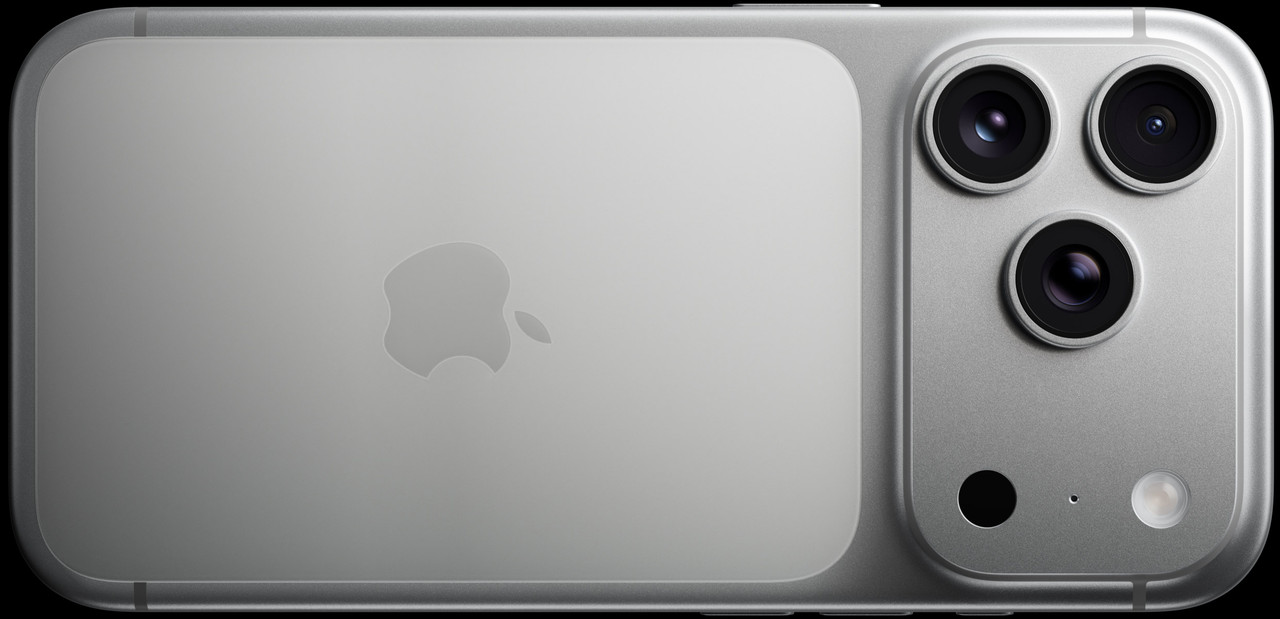
The camera system is the major differentiator. You get a triple-camera array with high-resolution sensors across all three lenses: main camera, ultra-wide, and telephoto with optical zoom capabilities (4× and 8× telephoto options). All three cameras can shoot at 48 megapixels, giving you enormous creative flexibility and image quality.
There's also a LiDAR scanner for improved AR experiences and better low-light autofocus, plus more sophisticated computational photography features.
But the real Pro advantage is in video. The Pro models support ProRes recording, advanced color profiles like Apple Log for post-production color grading, and extensive manual controls. If you're shooting video for YouTube, client work, or any professional application, these features provide workflows the standard iPhone 17 simply can't match.
That said – and this is important – if you're just shooting video for social media or personal memories, the iPhone 17's video capabilities are excellent. The Pro video features matter enormously to professionals who need them, but they're overkill for casual users.
Performance differences are real but situational. The A19 Pro chip in the Pro models is measurably faster than the A19 in the standard iPhone 17, particularly for sustained workloads like extended gaming sessions, 4K video editing, or graphics-intensive apps. The Pro models also have enhanced thermal management allowing them to maintain peak performance longer.
For everyday tasks – browsing, social media, standard apps – you won't notice the difference. The A19 is plenty fast. But if you're rendering video, playing graphically demanding games for extended periods, or running professional apps, the Pro's advantages become apparent.
The Pro models have enhanced everything: Better microphone arrays for professional audio recording. USB 3 data transfer speeds (versus USB 2 on standard models), which matters significantly if you're regularly transferring large video files. Storage options up to 1TB. More sophisticated flash systems for photography.
They also have larger batteries providing extended usage times compared to the standard iPhone 17.
Colors for Pro models are more subdued – typically Silver, Deep Blue, and Cosmic Orange – signaling these are professional tools rather than fashion accessories.
Who genuinely needs the Pro?
If you're a content creator who monetizes your work, a photographer who needs maximum lens versatility and image quality, a serious mobile gamer, or someone who regularly pushes their phone with professional apps, the Pro makes sense. The camera system alone justifies the cost for professionals.
But here's the truth: if you're buying the Pro just because it's "the best" without actually using those professional features, you're spending $300 more than you need to. The iPhone 17 takes excellent photos and videos for normal use. Most people genuinely won't use the Pro features enough to justify the cost.
Storage options:
- 256GB: $1,099 (base configuration)
- 512GB and 1TB: Available at additional cost
iPhone 17 Pro Max: Maximum Everything
Starting at $1,199
The Pro Max is essentially the iPhone 17 Pro with a larger 6.9-inch display and bigger battery. Those are the two main differences.
The larger screen is genuinely valuable if you watch a lot of video content, do productivity work on your phone, read extensively, or simply prefer a bigger display. The extra screen real estate makes a noticeable difference for these use cases.
The bigger battery provides the longest endurance of any iPhone. If maximum battery life is important to you, the Pro Max delivers.
But that size comes with real costs. The Pro Max is heavy and large enough that one-handed use is difficult or impossible for most people. If you have smaller hands or prefer to use your phone one-handed, the Pro Max will frustrate you. You're essentially carrying a small tablet.
The Pro Max is also the only iPhone offering a 2TB storage option, which matters if you shoot enormous amounts of 4K video and don't want to constantly manage storage.
Who should get the Pro Max?
Anyone who wants everything the Pro offers but prioritizes having the biggest screen and longest battery life available, and who can comfortably handle the size and weight. It's maximum iPhone in every dimension – including physical dimensions.
Storage options:
- 256GB: $1,199 (base model)
- 512GB, 1TB, and 2TB: Higher capacities available
iPhone 16e: The Budget Champion
Starting around $599
Let's talk about saving money. The iPhone 16e is Apple's entry-level option, and it delivers solid value for budget-conscious buyers.
The 16e has a 6.1-inch OLED display (without ProMotion, so locked at 60Hz refresh), Apple's A18 chip with 8GB RAM that fully supports Apple Intelligence features, and a capable camera system. It includes Face ID for secure authentication, decent battery life that should get most people through a day, and it charges via USB-C.
Here's what you're giving up compared to the iPhone 17:
The display doesn't have ProMotion, so scrolling and animations feel less smooth. There's no Always-On display. The camera system is less sophisticated – you're working with simpler sensors and fewer computational photography features. Wireless charging is standard Qi but doesn't support the fastest MagSafe speeds. Some advanced connectivity features may be limited.
The iPhone 16e uses Apple's custom C1 modem, which handles standard 5G well but doesn't support all the advanced 5G bands (like mmWave) available on Pro models.
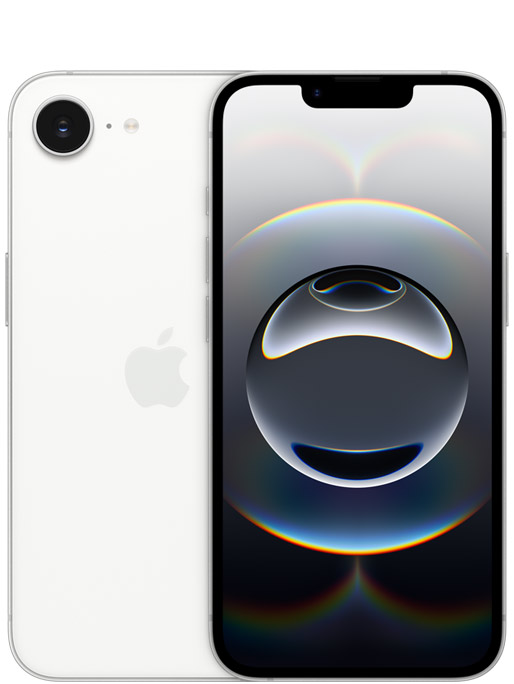
Who should buy the 16e?
If your budget is tight but you want a legitimate modern iPhone with current software support, Apple Intelligence features, and Face ID, the 16e delivers genuine value. You're making compromises – the display isn't as nice, the cameras aren't as sophisticated – but they're reasonable trade-offs for saving $200 compared to the iPhone 17.
The 16e makes particular sense if you're coming from an older iPhone (iPhone 12 or earlier) and want to modernize without breaking the bank, or if you're switching from Android and want to try the iPhone ecosystem without committing to premium pricing.
Storage options typically include 256GB and 512GB configurations.
Should You Consider Older Models?
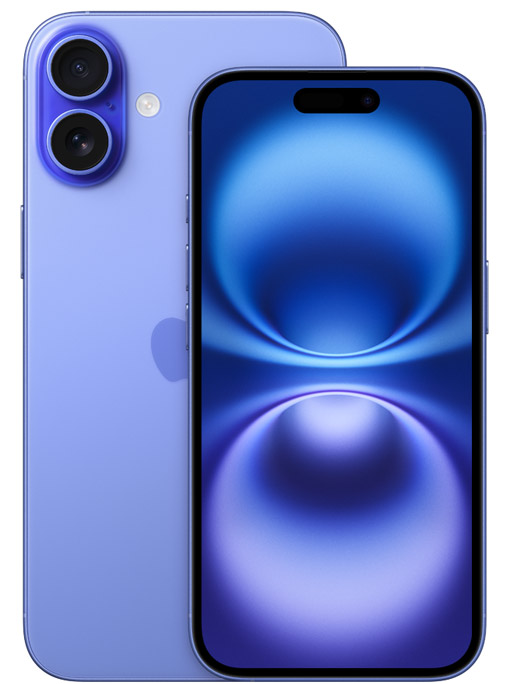
iPhone 16 and 16 Plus availability varies
Following the launch of the 2025 lineup, Apple has discontinued the iPhone 16 and iPhone 16 Plus from their official store. However, you may still find these models at third-party retailers, carriers, or through remaining inventory channels, often at discounted prices.
Here's the consideration: If you find an iPhone 16 at a steep discount – say $150-200 less than the iPhone 17 – it could make sense. The iPhone 16 is still a capable phone with the A18 chip, good cameras, and years of software support ahead.
However, you're missing out on ProMotion (the 120Hz display), which is a genuinely noticeable quality-of-life improvement. You're also getting less advanced cameras and likely shorter battery life than the iPhone 17.
The iPhone 16 Plus offers a larger 6.7-inch display at a lower price point than the Pro Max, which appeals if you want a big screen without Pro pricing.
My recommendation: Only consider these if:
- The discount is substantial (at least $150+ off compared to iPhone 17)
- You're comfortable buying from third-party sellers
- You can verify warranty and return policies
- You don't mind missing ProMotion and other 2025 improvements
Otherwise, either get the iPhone 17 (which offers significantly better value for the small price difference) or save money with the iPhone 16e.
As inventory depletes over the coming months, these older models will become increasingly hard to find at good prices.
How to Actually Decide
💰 Budget under $650 → iPhone 16e
A capable modern iPhone with Apple Intelligence support and strong everyday performance.
💸 Budget around $800–$900 → iPhone 17
The sweet spot for most users — great balance of power, features, and longevity.
✨ Want the thinnest, most stylish iPhone and can accept trade-offs? → iPhone Air
For design-focused buyers who value slimness and aesthetics over camera versatility or battery size.
📸 Professional content creator, photographer, or serious mobile gamer? → iPhone 17 Pro
Advanced cameras, ProRes video, and higher-end performance justify the price.
🔋 Need the biggest screen and longest battery life regardless of price? → iPhone 17 Pro Max
Maximum display, performance, and endurance — the “everything” iPhone.
💵 Finding deals on 2024 models? → iPhone 16 / 16 Plus (only if heavily discounted)
Still capable phones, but only worth it if the price difference from iPhone 17 is significant.