iPhone 17 Pro Scratches: What's Really Going On?
If you've been keeping up with iPhone news lately, you've probably seen some concerning photos and videos of scratched-up iPhone 17 Pro models. Social media has been buzzing with what people are calling "scratchgate," and honestly, it's been a bit of a mess trying to figure out what's actually happening. Let me break down what we know so far, because the story keeps evolving.
The Problem Everyone's Talking About
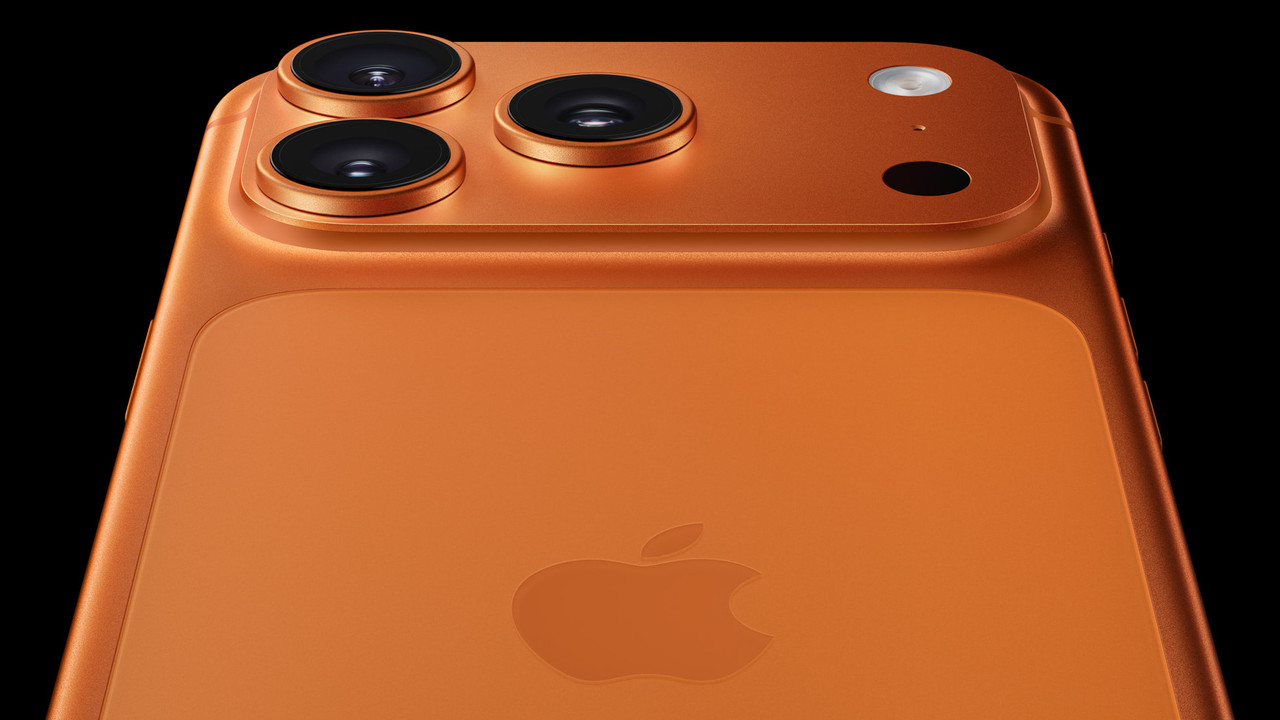
Shortly after the iPhone 17 Pro launch, people started noticing something weird. Display units in Apple Stores from New York to Hong Kong were showing visible scratches and marks, especially on the darker colors like Deep Blue, Space Black, and even Cosmic Orange. We're talking about phones that had barely been touched by customers, already looking worn.
Popular durability tester Zack Nelson from JerryRigEverything didn't mince words, calling it a genuine design flaw. Tech reviewers and early adopters alike started sharing their concerns online, and pretty soon, everyone was wondering if they'd just dropped over $800 on a phone that scratches if you look at it wrong.

Apple's Explanation (Sort Of)
Here's where things get interesting. Apple actually came out and addressed some of the concerns, but their explanation only covers part of the story.
The Store Display Issue: Apple told CNET and other outlets that many of those scratched store displays weren't actually scratched at all. Turns out, some of the older MagSafe display stands in stores were worn out and leaving residue on the phones' backs. According to Apple, you can just wipe this stuff off, and they're fixing the display stands. A bit embarrassing for a company known for its retail experience, but at least it's not a phone defect, right?
That explanation made sense for some of the marks, but it definitely doesn't explain everything people are seeing.
The Real Issue: Those Camera Edges
This is where things get technical, and honestly, a bit concerning if you're planning to go caseless with your new iPhone.
Both JerryRigEverything and iFixit did detailed tests and found something Apple didn't really address head-on. The edges around the camera plateau on the iPhone 17 Pro and Pro Max have a problem. The anodized coating that gives these phones their color and some protection basically chips off way too easily around those sharp corners.
In his video, Nelson demonstrated this by rubbing a quarter along the camera bump's edge. Chunks of the coating just came right off, revealing the bare aluminum underneath. He pointed out that Apple didn't follow a pretty standard design practice (there's even an ISO standard for this) that recommends adding a chamfer, fillet, or some kind of rounded edge when you're working with anodized aluminum.
Think of it like nail polish on a sharp corner versus a flat surface. On the flat back of your phone, that anodized layer holds up pretty well against everyday items. But on those sharp edges? It's vulnerable.
iFixit's lead technician, Shahram Mokhtari, confirmed the same thing under a microscope. He explained the technical term is "spalling," where the brittle oxide coating bears all the stress when something rubs against it, and it just chips away.
What Apple Says vs. What We're Seeing
Apple's official response to Bloomberg and CNET is that their anodization "exceeds industry standards" and is "extremely hard." They say the edges of the camera plateau have "similar characteristics" to other Apple products like MacBooks.
But here's the thing: your MacBook probably lives a gentler life than your phone. Phones get tossed in pockets with keys and coins, they get set down on rough surfaces, they're constantly being handled. What might be acceptable wear on a laptop that sits on your desk becomes a real problem on something you carry everywhere.
Apple did acknowledge that "over time, [the phone] may show small abrasions with normal wear and tear," which... yeah, that's kind of what everyone's been saying.
Should You Be Worried?
Let me be honest with you: it depends on how you use your phone.
The good news:
- The scratches and coating chips are purely cosmetic. Your phone will work exactly the same.
- The actual Ceramic Shield on the front and most of the back is legitimately tough. Apple says Ceramic Shield 2 on the display is three times more scratch-resistant than previous models.
- If you're someone who uses a case (and let's be real, most people do), you might never even notice this issue.
The concerning part:
- If you love rocking your phone without a case to show off that premium design, you're probably going to see wear much sooner than you'd expect from a device that costs this much.
- Dark colors will show the damage more obviously since the bare aluminum underneath is lighter.
- The sharp camera edges are a legitimate weak point that could've been designed better.
What This Means for Different iPhone 17 Models
Interestingly, this issue seems mainly limited to the Pro and Pro Max models. The regular iPhone 17 and the new iPhone Air have glass backs, so they don't have the same problem with the anodized coating chipping off. They might still show those MagSafe residue marks from display stands, but that's it.
My Take on This Whole Situation
Look, I'm a fan of Apple's move toward more aluminum and less glass. It makes the phone lighter, helps with heat management, and glass backs have their own durability issues. But this feels like a case where the design team prioritized looks over real-world durability.
Those sharp edges around the camera bump do look sleek and modern. But when durability experts are pointing to industry standards that Apple seemingly ignored, and when you can demonstrate the problem with a simple coin, that's not great.
The good news is that CNET's review units that they've been testing for weeks don't show these issues, suggesting that with normal, careful use, you might be fine. But "careful use" and "smartphones" don't always go together, you know?
How to Protect Your iPhone 17 Pro
If you've already bought one or are planning to, here's what you should know:
Get a case. I know, I know. You paid for that beautiful design, and you want to show it off. But with this particular model, a case isn't just recommended, it's basically essential if you want it to stay looking good.
Be careful with screen protectors. Some users in China reported that installation tools for screen protectors actually caused scratches on the frame. Stick with "soft edge" or "contactless" installation methods.
Dark colors show damage more. If you're torn between colors and plan to go caseless sometimes, the lighter Cosmic Orange might hide wear better than Deep Blue or Space Black.
Check your phone if you bought it recently. If your brand-new iPhone already has scratches or chips, take it back to where you bought it. If it was damaged in the store or during shipping, you should be able to exchange it.
The Bigger Picture
This whole situation is a reminder that every design decision involves trade-offs. Apple chose aerospace-grade aluminum for legitimate engineering reasons. It's not a bad material. But the execution, specifically those sharp edges without proper protection for the anodized coating, seems like an oversight.
What's frustrating is that this is a known issue with anodized aluminum. It's not like Apple is new to working with this material. They've been anodizing MacBooks, iPads, and previous iPhones for years. The difference here is that they created sharp, unprotected edges on a device that gets handled constantly and roughly.
Bottom Line
Is the iPhone 17 Pro still an amazing phone? Absolutely. The cameras are fantastic, the performance is incredible, and that improved thermal management is genuinely noticeable. But this scratching issue isn't just people being overly precious about their devices. It's a real design trade-off that Apple made, and whether intentionally or not, they've created a phone that really needs a case to maintain its appearance.
If you're okay with that, great. Most people use cases anyway. But if you're someone who appreciates going naked with your phone and keeping it pristine, this might not be the iPhone for you, or you'll need to be exceptionally careful.
The one thing I'll say is this: at least the issues are cosmetic. Your phone will work perfectly fine, scratches and all. But for a premium device that costs upwards of $800, it's fair to expect it to age a bit more gracefully.
What do you think? Is this a dealbreaker, or just the reality of modern phone ownership? Either way, if you're grabbing an iPhone 17 Pro, budget for a good case from day one. Trust me on this one.