OpenAI's Big Week: Apps, Hardware Dreams, and an AI Video Social Network
It's been quite a week for OpenAI. Between their annual developer conference in San Francisco and a surprise app launch that caught everyone off guard, the company is making some bold moves that could reshape how we interact with AI. Let's break down everything that happened.
ChatGPT Is Becoming More Than a Chatbot
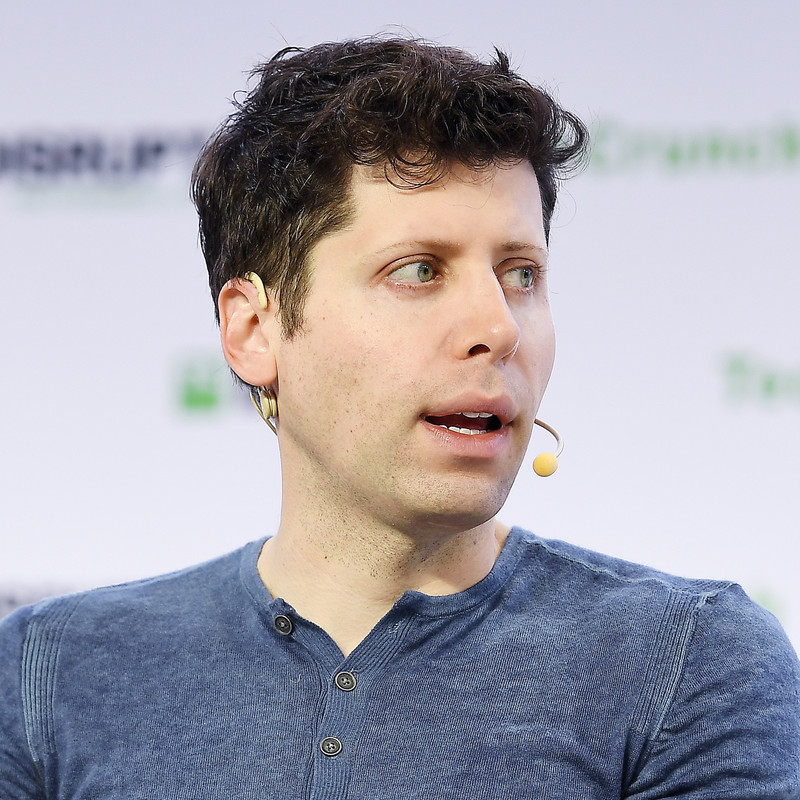
Remember when ChatGPT was just a place to ask questions? Those days are officially over. At their developer conference on Monday, CEO Sam Altman unveiled a new way to embed third-party apps directly into ChatGPT. Think of it like this: instead of ChatGPT just telling you about things, it can now actually do things through partnerships with other companies.
The demo was honestly pretty impressive. OpenAI engineer Alexi Christakis showed how you could ask Canva to create posters for a dog-walking business, then seamlessly switch to building a pitch deck, get suggestions on where to expand the business (Pittsburgh, apparently), and finally pull up Zillow to browse houses for sale in that city—all without leaving the chat interface.
"This will enable a new generation of apps that are adaptive, interactive, and personalized, that you can chat with," Altman said.
This isn't OpenAI's first rodeo with custom tools, though. Two years ago, they launched custom GPTs—basically little widgets people could build. The GPT Store launched in January 2024 with over 3 million custom creations, but let's be honest, it never really took off the way they hoped.
This time feels different. OpenAI is working with big names like Spotify, Canva, and Zillow, and they're planning to introduce ways for developers to actually make money through ChatGPT, including something called an "agentic commerce protocol" that would let you buy stuff directly through the chatbot.
Nick Turley, OpenAI's head of product for ChatGPT, put it pretty bluntly: "We never meant to build a chatbot; we meant to build a super assistant, and we got a little sidetracked."

Meet ChatGPT Pulse: Your AI Morning Briefing
Speaking of being more than a chatbot, OpenAI also rolled out ChatGPT Pulse, which might be the most ambitious personalization feature yet. The idea is simple but kind of wild: ChatGPT learns about you through your chat history and connected apps (like your calendar and email), then researches things on your behalf overnight and presents you with a personalized daily "pulse" every morning.
It could be daily workout routines, language lessons, news roundups, or even suggestions for what to order at the restaurant you're hitting up that evening. Basically, OpenAI wants ChatGPT to be the first thing you check every morning.
Altman called it his "favorite feature we've launched in a long time." When asked about advertising in Pulse, he said there are "no current plans" but didn't exactly shut the door on the idea. He mentioned enjoying Instagram ads and suggested that if they could find "cool things to do that actually seem helpful to users," they might explore it.
The feature was supposed to launch for everyone, but it's so compute-heavy that it's currently only available to Pro users.
The Sora 2 App: AI-Generated Videos Go Social
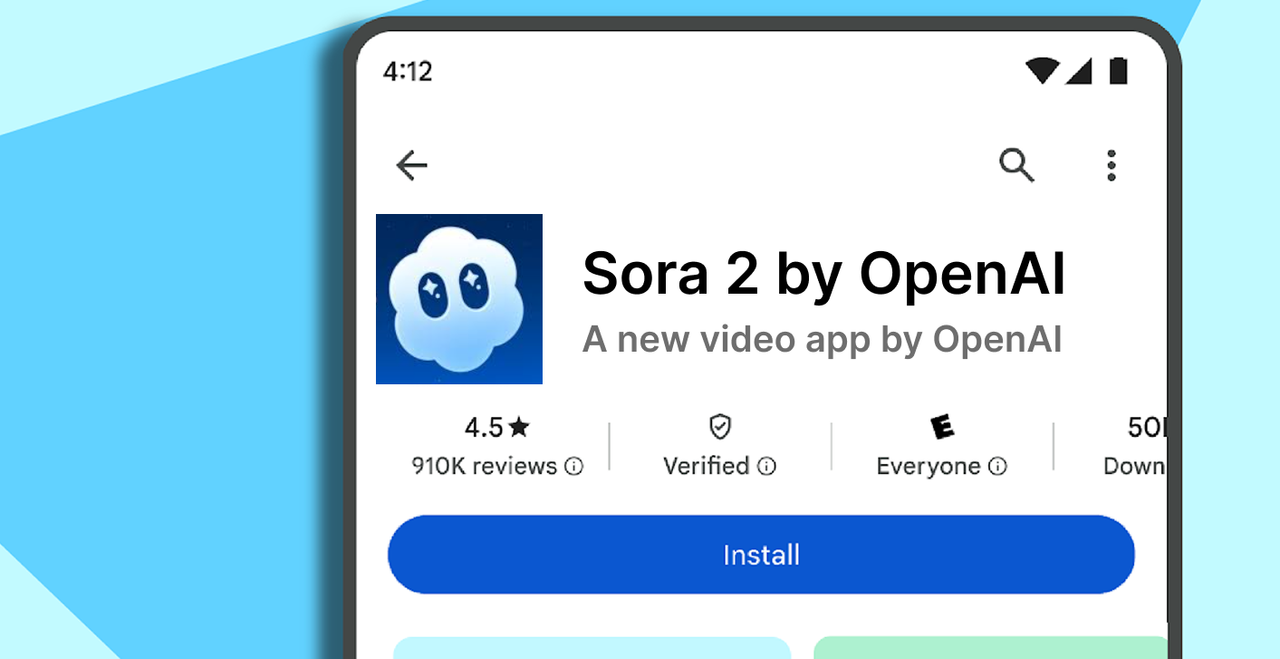
Now here's where things get really interesting—and maybe a little weird. Just this week, OpenAI launched a standalone social app for AI-generated videos using their Sora 2 model. And yeah, it's basically TikTok, except everything you're watching is generated by AI.
The app has all the familiar features: vertical video feed, swipe-to-scroll navigation, a "For You" page. But here's the twist: when you open the app, it encourages you to create content by verifying your identity through a video selfie. You read out some numbers on screen, and boom—the app can now generate a digital avatar of your face, body, and voice.
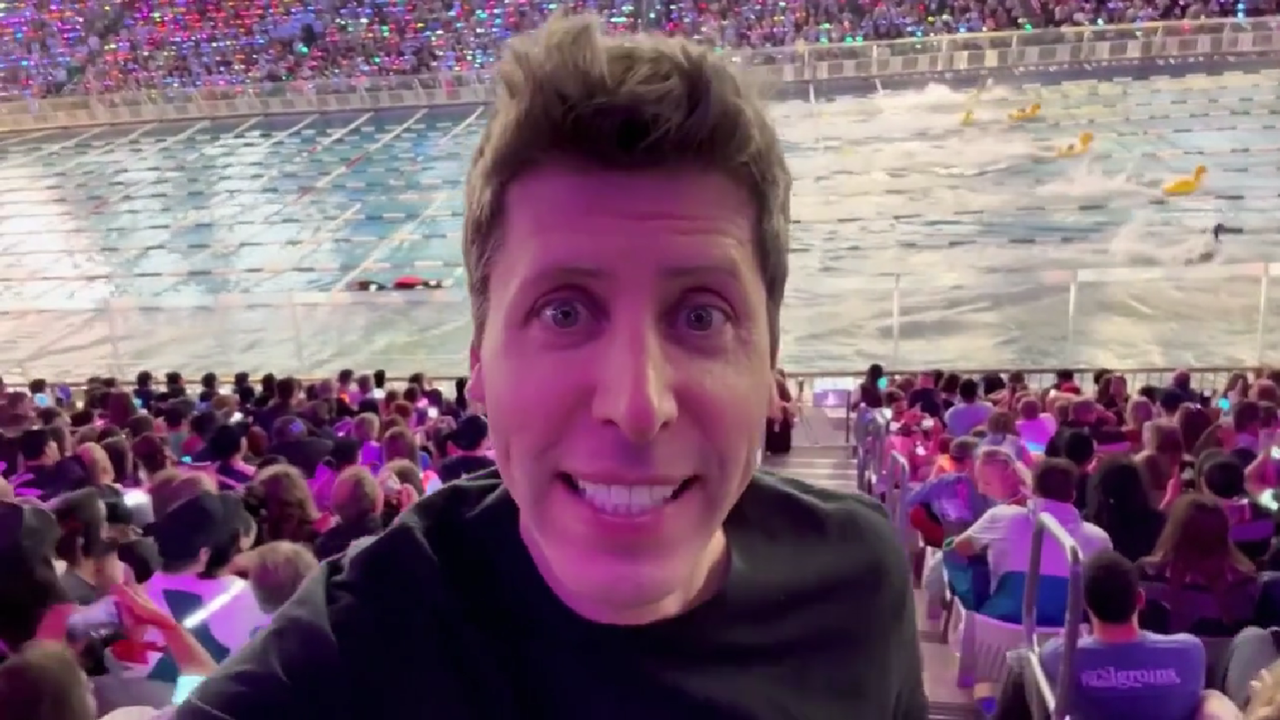
From there, you just type in a prompt and the app creates videos featuring you. Want to see yourself as a mermaid swimming in the sea? Done. Want to put you and your friends in ridiculous scenarios? Go for it.
But let's address the elephant in the room: yes, this raises some serious questions about deepfakes and misuse. OpenAI has put some guardrails in place—you can't generate nude images, and your settings control whether others can use your likeness (the default is only you can). Copyright is trickier, though. The app blocks videos featuring Taylor Swift or Darth Vader, but people have managed to create content with Pikachu and other copyrighted characters. It seems like OpenAI will be playing whack-a-mole for a while.
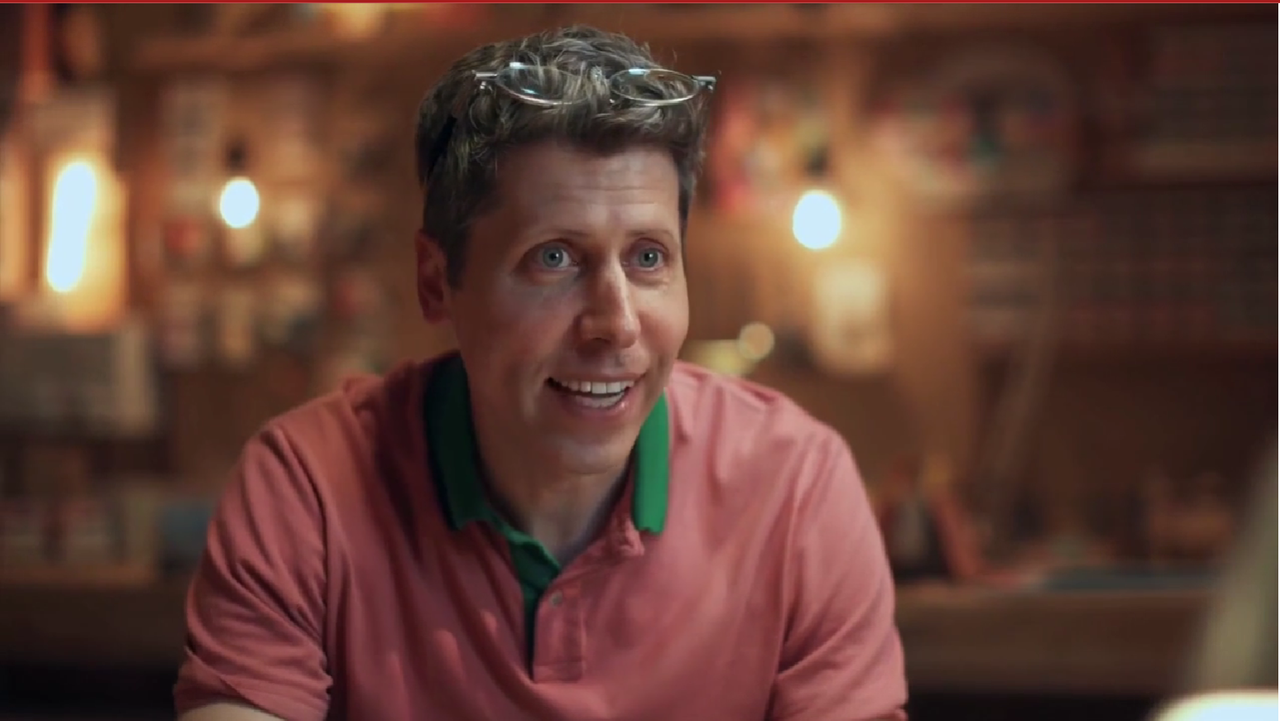
Right now, the feed is mostly populated by OpenAI employees, with CEO Sam Altman appearing in like every other video. Whether this app will actually compete with TikTok remains to be seen. Meta tried something similar recently and it was a total ghost town. The difference is that OpenAI smartly put you and your friends at the center, which creates a novelty factor that might have legs.
Jony Ive and Sam Altman's Mysterious Hardware Project
If you thought that was everything, think again. At the conference, Altman shared the stage with legendary Apple designer Jony Ive to talk about their hardware collaboration. And by "talk about," I mean they spoke in extremely vague terms about a "family of devices" they're working on.
"As great as phones and computers are, there's something new to do," Altman teased. That's... not a lot to go on.
What we do know: Ive's team has apparently generated "15 to 20 really compelling product ideas" while trying to figure out the right hardware to focus on. Earlier reporting suggests they're working on something that doesn't resemble a phone or laptop—possibly a screenless device that relies on cameras and microphones to understand your surroundings.
Ive seemed most excited about changing our relationship with technology. "I don't think we have an easy relationship with our technology at the moment," he said. The goal isn't just productivity—he wants devices that "make us happy, and fulfilled, and more peaceful, and less anxious, and less disconnected."
The target launch? Maybe late 2026, according to reports, though development has apparently hit some technical snags. Altman himself admitted that "hardware is hard" and "it will take a while."
For context, OpenAI bought Ive's design firm's project called Io outright in May, though Ive remains independent. In a highly stylized announcement video, Altman called it "the coolest piece of technology that the world will have ever seen." Big words, considering how the first wave of AI hardware (looking at you, Humane Pin and Rabbit R1) pretty much flopped.
The Developer Push Continues
Beyond the flashy consumer stuff, OpenAI made several announcements aimed at developers. Codex, their code-optimized model, came out of research preview and is now generally available. They also launched new Codex tools, including the ability to ask questions about code via Slack and analytics tools for companies to monitor employee usage.
They're also pushing hard into the agent-building space with AgentKit, a drag-and-drop interface for building AI tools that can complete tasks on your behalf.
All of this is happening while OpenAI faces serious competition. Google, Anthropic, and Amazon are all fighting for developer attention. Meta and DeepSeek are releasing capable open-source models that developers can fine-tune without paying for OpenAI's APIs. In August, OpenAI released their first open-source model in years (GPT-OSS) and made their new flagship model GPT-5 available through their API.
The company is also building out a massive data center empire. They announced a major deal to acquire 6 gigawatts worth of AMD chips, potentially taking a 10% stake in the chipmaker.
What Does It All Mean?
OpenAI is clearly trying to position ChatGPT as more than just a chatbot—it wants to be a full-blown operating system for the AI era. Whether that's through embedded apps, personalized daily briefings, social video creation, or mysterious hardware devices, the company is placing big bets that our future interactions with technology will run through AI assistants.
"This is the best time in history to be a builder," Altman said during the keynote. "It has never been faster to go from idea to product."
Whether all these initiatives will actually stick is another question entirely. We've seen ambitious AI projects fizzle out before (RIP custom GPTs as a major platform), and the AI hardware graveyard is getting pretty crowded. But if nothing else, OpenAI is swinging big—and that's going to make the next few years in tech absolutely fascinating to watch.
The question isn't whether AI will change how we interact with technology. At this point, that seems inevitable. The real question is whether OpenAI's particular vision of that future—with ChatGPT at the center of everything—is the one that actually takes hold.