Sora 2 Is (Almost) Coming to Android – And OpenAI Might Not Be Ready For It
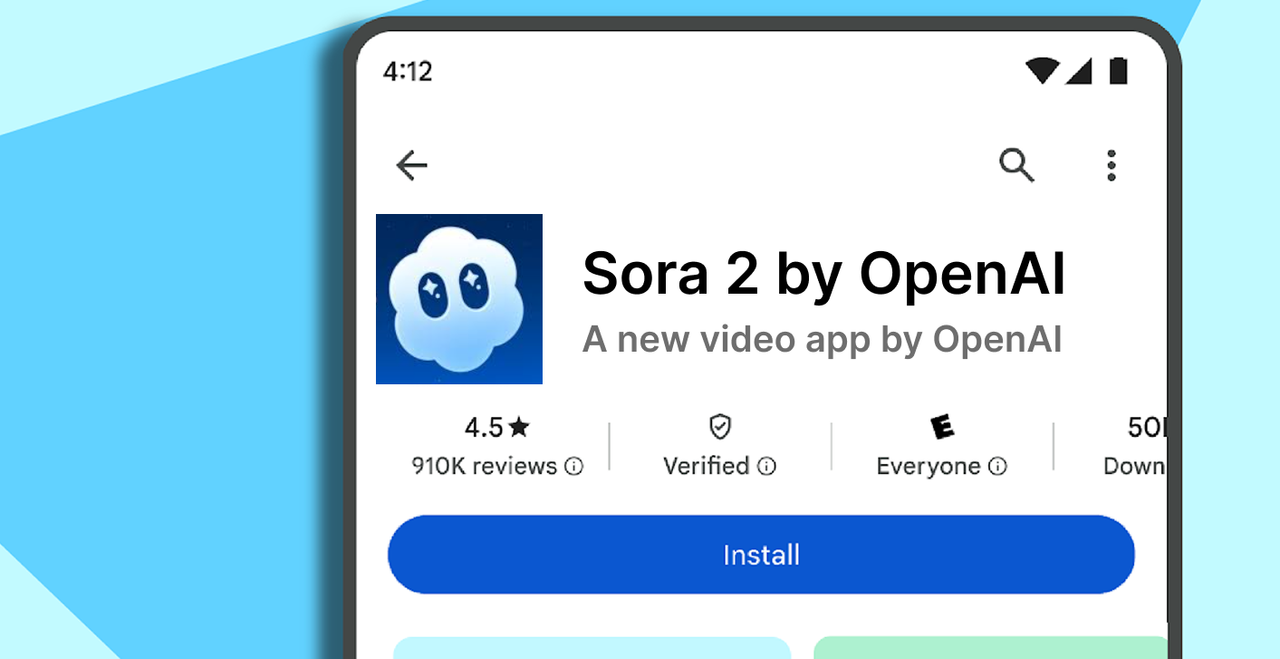
If you've been watching AI-generated videos flood your social media feeds lately and thought "I want to make weird stuff like that too," but you're an Android user, I've got good news and bad news. The good news? Sora 2 just appeared on the Google Play Store, and you can pre-register right now if you're in the US or Canada. The bad news? You still can't actually download it yet. And even when you can, you'll probably need an invite. Oh, and OpenAI is apparently already drowning under the demand from iOS users, so... good luck with that. Welcome to 2025, where even our AI tools can't keep up with how much we want to use AI tools. The irony is delicious.
What's the Deal with Sora 2?
For those who haven't been paying attention to the AI arms race, Sora 2 is OpenAI's latest video generation model, and it's kind of a big deal. Think of it as the video version of what ChatGPT did for text or DALL-E did for images – except this time, we're creating realistic videos from nothing but a text prompt.
The app launched on iOS a couple of weeks ago and immediately shot to the top of the App Store charts. And honestly? It deserves the hype. The videos coming out of Sora 2 are genuinely impressive – sometimes disturbingly so.
We're talking videos that look real enough to make you do a double-take. Wild scenarios, surreal landscapes, celebrity deepfakes, and everything in between. It's like TikTok, but if TikTok was entirely made by AI and had even fewer guardrails (which is saying something).
Android Users: Your Time Is (Almost) Here
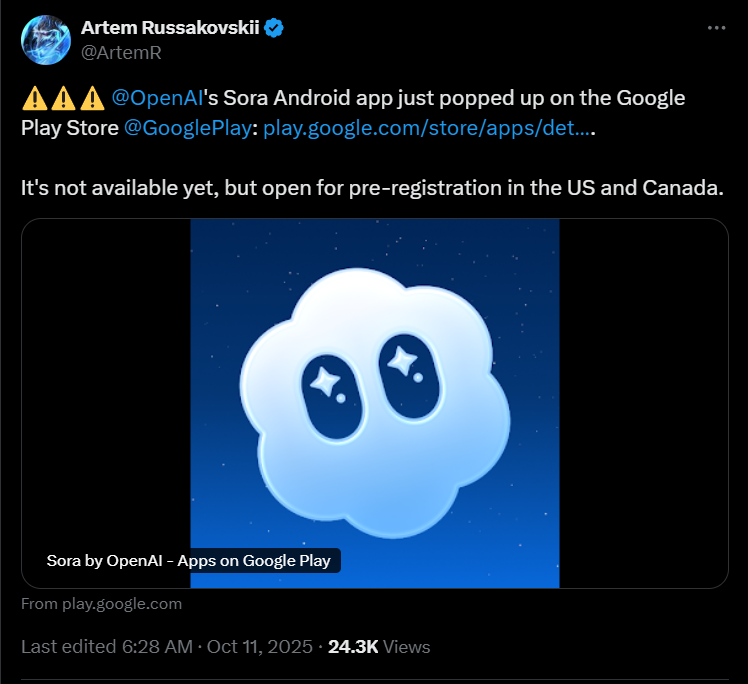
Artem Russakovskii, founder of Android Police, spotted the Sora 2 listing on the Google Play Store and shared it on X (formerly Twitter, for those of us still calling it that in our heads). The listing is official – uploaded by OpenAI themselves, not one of the countless knockoffs trying to capitalize on the hype.
Right now, you can pre-register for the app if you're in the United States or Canada. That's it. No other regions yet, though that will presumably expand over time.
But here's the catch: even when the Android version officially launches, it'll almost certainly be invite-only, just like it is on iOS. So unless you know someone who's already on the platform and can send you a code, you might be waiting a while.
OpenAI's Unexpected Problem: People Actually Want to Use Their Product
Sam Altman, OpenAI's CEO, recently admitted something that would sound like a humble brag if it weren't causing them genuine problems: users are creating way more videos than they expected.
Let me translate what that means in practical terms: their servers are getting absolutely hammered, and AI video generation is expensive. Like, really expensive. Every video someone creates costs OpenAI real money in processing power and server resources.
This is probably why Sora 2 is still invite-only even on iOS, weeks after launch. They're trying to manage demand before their systems completely buckle under the pressure. It's the same thing that happened with ChatGPT when it first blew up, except this time they saw it coming and are trying (emphasis on trying) to be proactive.
So when people ask "when can I actually use Sora 2 on Android?" the honest answer is: whenever OpenAI figures out how to scale their infrastructure without going bankrupt from server costs.
What Makes Sora 2 So Special (And So Concerning)?
Here's where things get interesting – and by interesting, I mean "potentially problematic in ways we're still figuring out."
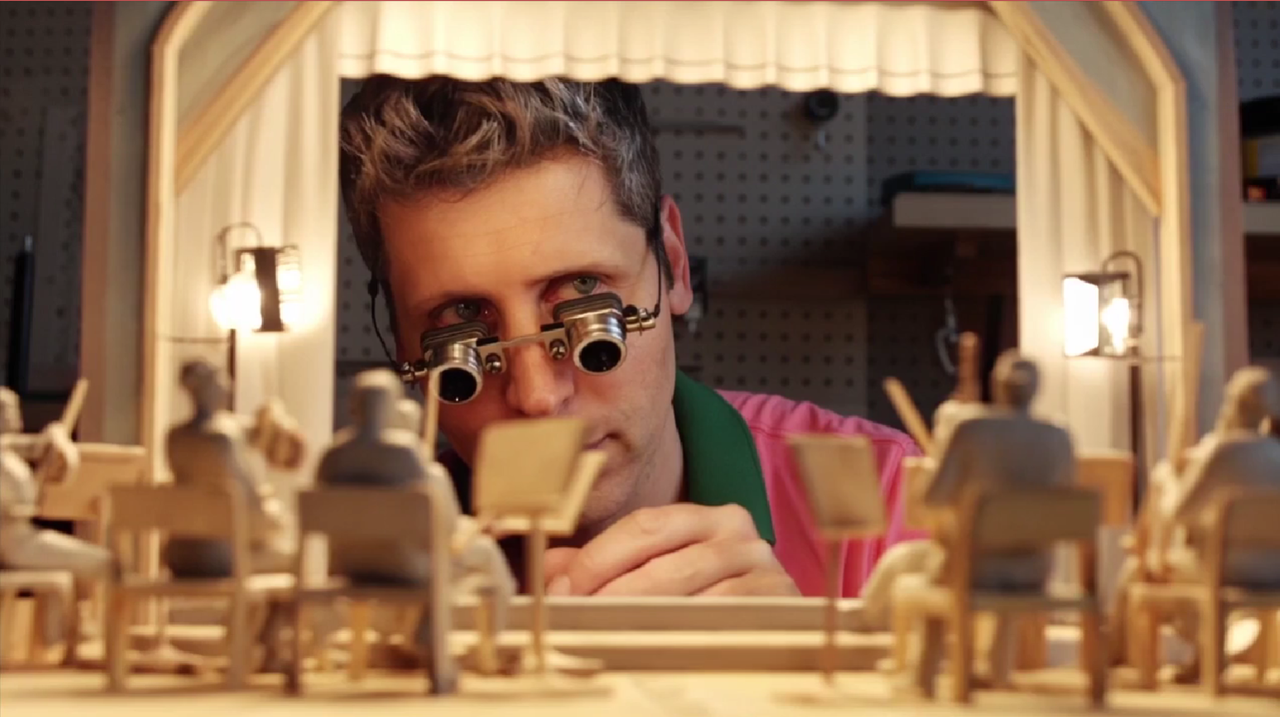
Sora 2 represents a massive leap forward from its predecessor and pretty much every other AI video tool out there. The quality is genuinely stunning. Videos look realistic. Physics mostly works the way it should. Movement is fluid and natural.
But the real controversy? Sora 2 allows users to generate videos of real people.
Yeah. You read that right.
Want to make a video of your friend doing something ridiculous? You can do that. Want to create a deepfake of a celebrity? Technically possible. Want to put someone in a compromising situation they were never actually in? That's... where we run into serious ethical problems.
OpenAI has since tightened the rules a bit. Now you're supposed to get permission before using someone's likeness or artwork. But let's be real: when has "supposed to" ever stopped the internet from doing questionable things?
The Wild West Phase Is Here
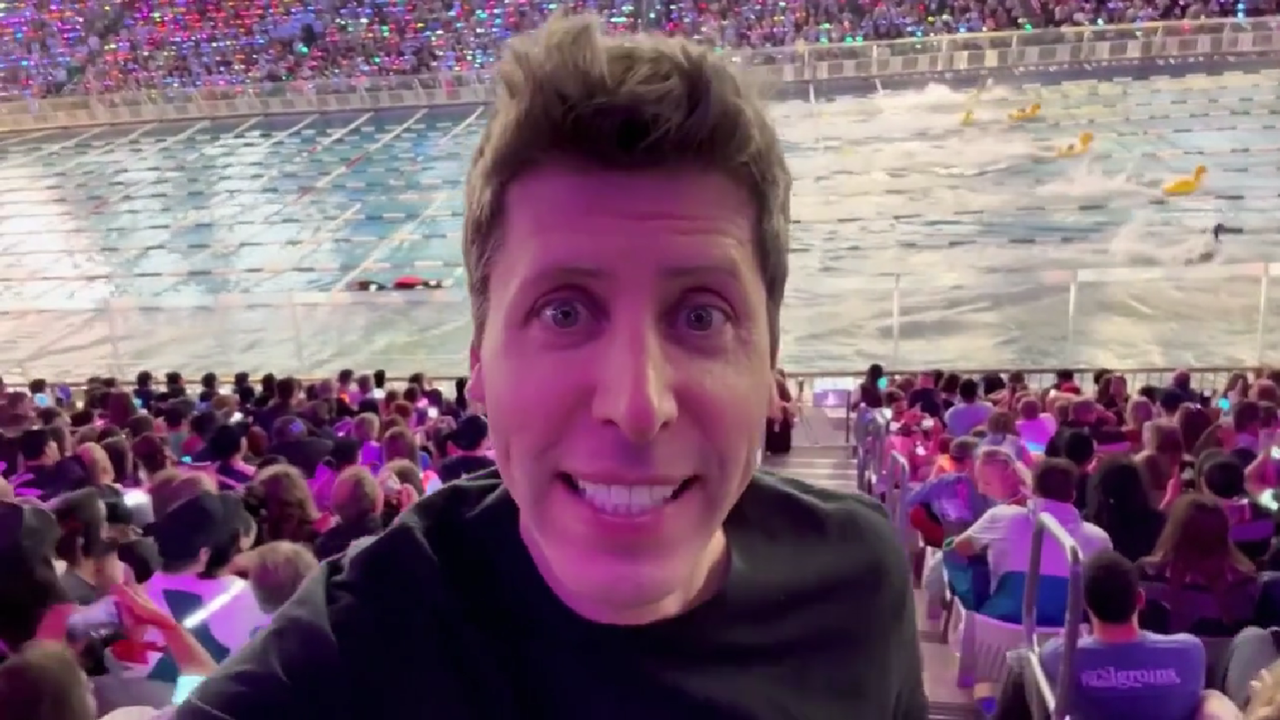
If you've spent any time looking at Sora 2 content online, you know exactly what I'm talking about. The platform feels like the early days of TikTok, except everyone's a filmmaker and reality is completely optional.
People are creating:
- Surreal scenarios that couldn't exist in real life
- Hyper-realistic fake footage of historical events
- Celebrity deepfakes (some funny, some... not so much)
- Artistic experiments that blur the line between real and generated
- And yes, plenty of straight-up weird stuff that makes you question humanity
Some of it is genuinely creative and cool. Some of it is impressive from a technical standpoint. And some of it makes you think "maybe we weren't quite ready for this technology as a species."
The fact that we've given the general public the ability to create convincing fake videos with minimal effort has... implications. Big ones. And we're figuring out what those implications are in real-time, which is either exciting or terrifying depending on your perspective.
The Ethical Elephant in the Room
Let's talk about what nobody wants to but everyone's thinking: the potential for abuse is massive.
Deepfakes used to require technical skill and specialized software. Now they require an app and a text prompt.
Misinformation used to be limited to manipulated photos and out-of-context clips. Now someone can generate entirely fictional footage that looks completely real.
Identity theft and harassment just got a whole new toolkit.
I'm not trying to be all doom-and-gloom here, but we need to have honest conversations about this. OpenAI knows it, too – they've implemented safeguards and content moderation, but these systems are always playing catch-up with creative users who find workarounds.
The debate about AI-generated content and its legal and ethical implications is going to run for years. We're talking about questions like:
- Who owns the rights to AI-generated videos?
- What happens when someone creates a deepfake that damages someone's reputation?
- How do we verify what's real anymore?
- Should there be regulations around this technology?
- Is requiring "permission" enough when enforcement is nearly impossible?
These aren't easy questions, and honestly, we don't have good answers yet. But the technology isn't waiting for us to figure it out.
How Much Does It Cost?
Here's some actually good news: once you get access, Sora 2 is free to use with what OpenAI calls "generous" limits on video creation.
What "generous" actually means in practice remains to be seen. Given that Sam Altman has already admitted they're struggling with the processing costs, I wouldn't be surprised if those limits get tightened as more users flood in.
There will probably be paid tiers eventually – that's just the reality of expensive-to-run AI services. But for now, if you can get an invite, you can play around without opening your wallet.
How Does It Stack Up Against the Competition?
Sora 2 isn't the only AI video generator in town. There's Google's Nanobanana (part of Gemini), Kling 2.5 Pro, and several others all competing in this space.
What sets Sora 2 apart is the combination of:
1. Quality: The videos genuinely look better than most alternatives
2. Ease of use: The interface is simple and TikTok-like
3. Social features: It's not just a tool; it's also a platform for sharing
4. Brand recognition: OpenAI's reputation brings credibility (and users)
The real challenge for OpenAI isn't making good videos – they've already cracked that. It's making the service sustainable. AI video generation is computationally expensive, and with millions of users all wanting to create content, the costs add up fast.
OpenAI needs to figure out how to keep Sora 2 accessible while not bankrupting themselves on server costs. That's probably why we're seeing this slow, invite-only rollout instead of throwing the doors wide open.
What Should Android Users Do?
If you're eager to try Sora 2 and you're in the US or Canada, here's your game plan:
Step 1: Pre-register
Head to the Google Play Store, find the official Sora 2 listing (make sure it's from OpenAI, not a knockoff), and hit that pre-register button.
Step 2: Try to get an invite
- Ask friends who already have access if they can send you a code
- Keep an eye on social media for giveaways
- Sign up on OpenAI's website to join the waitlist
- Be patient (I know, easier said than done)
Step 3: Manage your expectations
Even when you do get access, there will be limits, bugs, and restrictions. It's still early days for this technology.
Step 4: Use it responsibly
Seriously. Just because you can make a deepfake of your ex doing something embarrassing doesn't mean you should. With great AI power comes great responsibility, or however that quote goes.
When Can You Actually Download It?
The million-dollar question, right?
Honestly? Nobody knows for sure. The app appearing on the Play Store suggests it's close – we're probably talking weeks rather than months. But "close" in tech company time can mean anything.
There's also speculation that the Android launch might coincide with Sora 2 becoming more widely available on iOS, potentially moving from invite-only to public access. That would make sense from a business perspective – launch everywhere at once, maximize the buzz.
But given OpenAI's current struggles with demand, they might keep the invite-only gates up for a while longer. It all depends on whether they can scale their infrastructure fast enough to handle the influx.
My educated guess? We'll see a limited Android rollout in the next few weeks, probably starting in the US and Canada, remaining invite-only for at least another month or two, and then gradually opening up to more regions and users throughout 2025.
The Bigger Picture
Sora 2's success – and it is a success, even with all the challenges – highlights how hungry people are for creative AI tools. We've gone from "AI is a futuristic concept" to "I want AI on my phone right now" in what feels like five minutes.
But it also highlights how unprepared we are, both technologically and ethically, for the implications of this technology.
OpenAI can barely keep up with demand for a service that's still invite-only. Imagine what happens when everyone has access. The infrastructure challenges alone are massive.
And that's before we even get into the societal challenges of living in a world where anyone can create convincing fake videos of anything or anyone.
My Take
Look, I'm excited about Sora 2. The technology is genuinely impressive, and the creative possibilities are endless. I've seen some absolutely incredible videos come out of this platform – stuff that would have required massive budgets and Hollywood-level production teams just a few years ago.
But I'm also concerned. Not in a "the robots are taking over" way, but in a "we're creating powerful tools faster than we're creating safeguards" way.
The fact that OpenAI is taking a slow, measured approach with the rollout is actually reassuring. They're trying to be responsible, even if it means leaving eager users waiting. That's better than the alternative of flooding the market with a tool they can't control or moderate.
For Android users specifically, the wait is frustrating, but it's probably for the best. Let iOS users work out the bugs, push the systems to their limits, and help OpenAI figure out how to scale before Android brings in millions more users.
The Bottom Line
Sora 2 is coming to Android. Soon. Probably.
When you can actually use it depends on a lot of factors, most of which are outside your control. Pre-register if you're eligible, try to snag an invite if you can, and prepare to wait.
And when you do get access? Create cool stuff. Push the boundaries of what's possible. Experiment and have fun.
Just maybe don't create deepfakes of your boss or ex-girlfriend. The technology might be new, but consequences are still very much a thing.
The AI video revolution is here, whether we're ready for it or not. Android users are about to join the party, and things are about to get very interesting.