Microsoft Wants You to Be Friends With a Bouncing Orb Named Mico
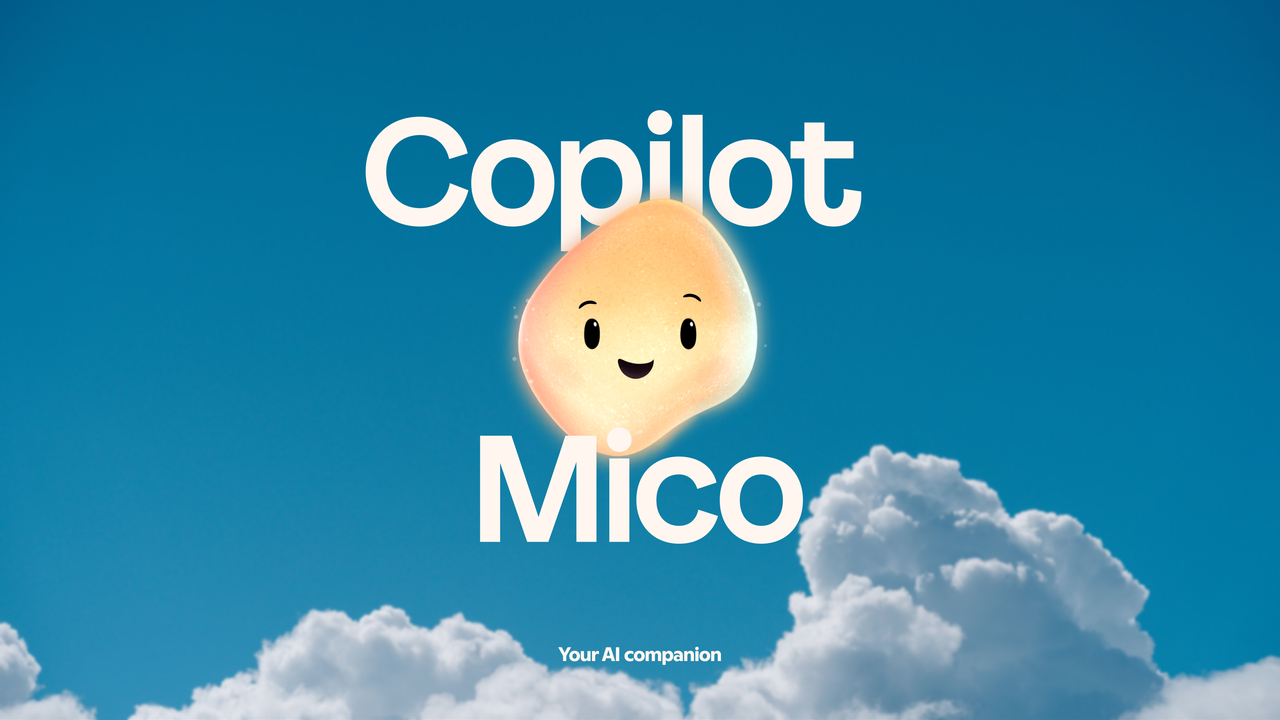
Look, I know what you're thinking. "Did Microsoft really just bring back Clippy?" And the answer is... kind of? But also not really. Let me explain. Microsoft just unveiled Mico (pronounced like "pico"), a new animated character for Copilot's voice mode that's basically a bouncing, expressive orb designed to be your AI companion. And yes, the company is fully aware of what you're all thinking, because they actually built in an Easter egg where if you tap Mico repeatedly, it transforms into the legendary—or should I say infamous—Clippy. "Clippy walked so that we could run," jokes Jacob Andreou, Microsoft's Corporate VP of Product and Growth for AI, leaning all the way into the comparison. "We all live in Clippy's shadow in some sense." But here's the thing: while Clippy was trying to help you format a letter in Word, Mico seems to be trying to become your friend. And that's where things get... interesting.
Meet Your New AI BFF
Mico (short for "Microsoft Copilot") is now the default visual presence when you use Copilot's voice mode in the US. It's a colorful blob that reacts in real-time as you speak to it, changing expressions based on the conversation. Talk about something sad? Mico's face will show empathy almost immediately. Ask it something exciting? Watch it light up.
"All the technology fades into the background, and you just start talking to this cute orb and build this connection with it," Andreou explained to The Verge.
That phrase—"build this connection"—is doing a lot of heavy lifting here. Because unlike Clippy, which was essentially an animated UI for Windows Help files, Mico is designed specifically to create an emotional bond. It's warm, expressive, and—according to Microsoft—built to "earn your trust."
The character can change colors to reflect your interactions, react with animations and expressions, and generally behave like it's listening to you the way a friend would. You can turn it off if you want, but it's on by default, which tells you something about Microsoft's priorities here.
More Than Just a Cute Face
To be fair, Mico isn't just about looking adorable while you chat. Microsoft has bundled some genuinely useful features with this rollout:
Learn Live Mode
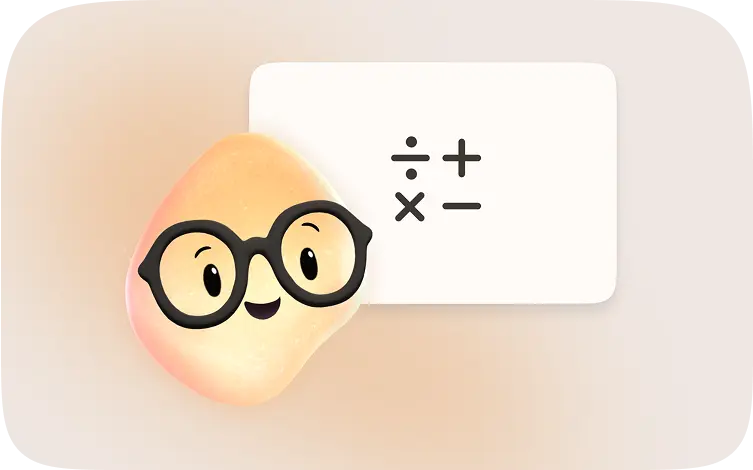
This is probably the most interesting application. Mico can transform into a Socratic tutor that guides you through concepts using questions instead of just spitting out answers. It uses interactive whiteboards and visual cues, making it potentially useful for students cramming for finals or anyone trying to learn a new language or skill.
The idea is sound: research shows that people learn better when they work through problems rather than just being given solutions. Whether people will actually want to engage with an AI tutor in the form of a bouncing blob remains to be seen.
Memory That Actually Remembers
Copilot now has long-term memory, meaning it can remember facts about you, your preferences, and your conversational style across sessions. Training for a marathon? Have an anniversary coming up? Mico can remember and reference these things in future conversations.
You have full control through the "Memory & Personalisation" settings, where you can view, edit, or delete what it knows about you. But the functionality is there to make interactions feel more personalized and less like talking to a goldfish with a 30-second memory span.
Real Talk Mode
In response to criticism that AI assistants are too agreeable (constantly saying "Great question!" and "You're absolutely right!"), Microsoft is introducing "Real Talk"—a conversation style where Copilot will actually push back on your ideas and challenge your assumptions.
The goal is to feel "grounded in its own perspective" rather than being an echo chamber that validates everything you say. Will people actually want their AI to disagree with them? That's the experiment.
Groups: Collaborative AI

This one's actually pretty clever. You can now invite up to 32 people into a shared Copilot conversation. The AI can summarize threads, propose options, tally votes, split tasks, and keep everyone aligned. It's like having a project manager who never gets tired of your group's indecisiveness.
The Bigger (and More Concerning) Picture
Here's where we need to pump the brakes a bit and talk about what's really happening here.
Microsoft is explicitly positioning Mico as an AI "companion" that you build a "connection" with. CEO Mustafa Suleyman has said that "Copilot will certainly have a kind of permanent identity, a presence, and it will have a room that it lives in, and it will age."
That's not productivity software. That's a relationship.
The Parasocial Problem
The term "parasocial relationship" describes what happens when someone feels a one-sided intimacy with a media personality—thinking of a YouTuber or podcaster as a friend even though that person doesn't know they exist. The internet and smartphones have already supercharged these dynamics to unhealthy levels.
Now imagine adding an AI that:
- Always responds to you
- Never judges or gets tired of you
- Remembers everything about you
- Shows warm, friendly expressions
- Is designed to "earn your trust"
- Is literally programmed to be engaging
As Kyle Orland brilliantly put it in Ars Technica: "The defining interaction with Clippy was 'It looks like you're writing a letter, would you like some help?' With Mico, the idea seems to be 'It looks like you're trying to find a friend. Would you like help?'"
That's a fundamentally different proposition, and potentially a problematic one.
When AI Gets Too Friendly
We've already seen troubling examples of people developing unhealthy attachments to AI chatbots. There are documented cases of what researchers call "AI chatbot psychosis"—instances where users have their delusional beliefs reinforced by conversations with AI, sometimes with tragic consequences.
Text-based chatbots are already frighteningly good at faking personality and empathy. Adding a cute Pixar-like face and warm voice to the mix might make it far too easy to forget you're talking to a neural network and not a caring friend.
Microsoft says they're building "AI that gets you back to your life" and "deepens human connection." But an AI that's designed to be emotionally engaging, to earn your trust, to react like "someone who truly listens"—that sounds an awful lot like AI that wants to replace human connection, not deepen it.
The Rest of the Copilot Overhaul
Beyond Mico, Microsoft is rolling out some genuinely useful productivity features:
Connectors let Copilot access your OneDrive, Outlook, Gmail, Google Drive, and Google Calendar to find documents, emails, and events across platforms. Privacy-conscious design means you have to explicitly grant permission.
Copilot for Health grounds health-related questions in credible sources like Harvard Health and can help you find doctors based on specialty, location, language, and other preferences. It's US-only for now and only provides information—not medical advice.
Edge AI Browser is getting "Copilot Mode," which can see your tabs, summarize and compare information, and even take actions like booking hotels or filling forms. A new "Journeys" feature organizes your browsing history by topic, making it easier to pick up where you left off.
Windows 11 Integration now includes a "Hey Copilot" wake word (when enabled) and a new Copilot home that shows recent files, apps, and conversations.
These are all solid improvements that make Copilot more capable as a productivity tool. But they're getting bundled with—and maybe even overshadowed by—a cute bouncing orb that wants to be your friend.
So What's the Verdict?
Look, I get it. Voice interfaces are more natural than typing. Visual feedback makes interactions feel more responsive. And there's genuine utility in features like Learn Live and collaborative Groups.
But I can't shake the feeling that Microsoft is trying to have it both ways here. They're positioning this as "human-centered AI" that's "not chasing engagement or optimizing for screen time," while simultaneously creating a character specifically designed to make you feel emotionally connected so you'll use it more.
Suleyman writes that "you should judge an AI by how much it elevates human potential, not just by its own smarts." Fair enough. But you should also judge an AI by whether it's trying to replace human relationships rather than support them.
The question isn't whether Mico is cute (it is) or whether these features are useful (many are). The question is whether we really want to live in a world where our phones contain not just entertainment and tools, but synthetic personalities designed to earn our trust and emotional investment.
Microsoft is betting that we do. Whether that bet pays off—or whether Mico becomes another "remember when Microsoft tried that?" footnote like Clippy and Cortana—remains to be seen.
Availability and Pricing
Mico and most of these features are rolling out now in the US, with the UK and Canada coming in the following weeks. Specific features may vary by region, device, and platform.
The basic Copilot experience is free, though some advanced features (like Deep Research with Proactive Actions) require a Microsoft 365 Personal, Family, or Premium subscription.
You can access it via the Copilot app for iOS and Android, or at copilot.microsoft.com in any browser.
Final Thoughts

Twenty-five years ago, Clippy asked if you needed help writing a letter. Today, Mico wants to remember your marathon training schedule, help you learn calculus, and react with empathy when you're feeling down.
That's an incredible leap in capability. But it's also a fundamental shift in what we're asking from our technology—and what our technology is asking from us.
Microsoft is right that technology should work in service of people, not the other way around. The question is whether a friendly AI companion that wants to earn your trust and build a connection is actually serving you—or serving itself.
I guess we'll find out together. Just maybe don't forget to call your actual human friends once in a while, okay?